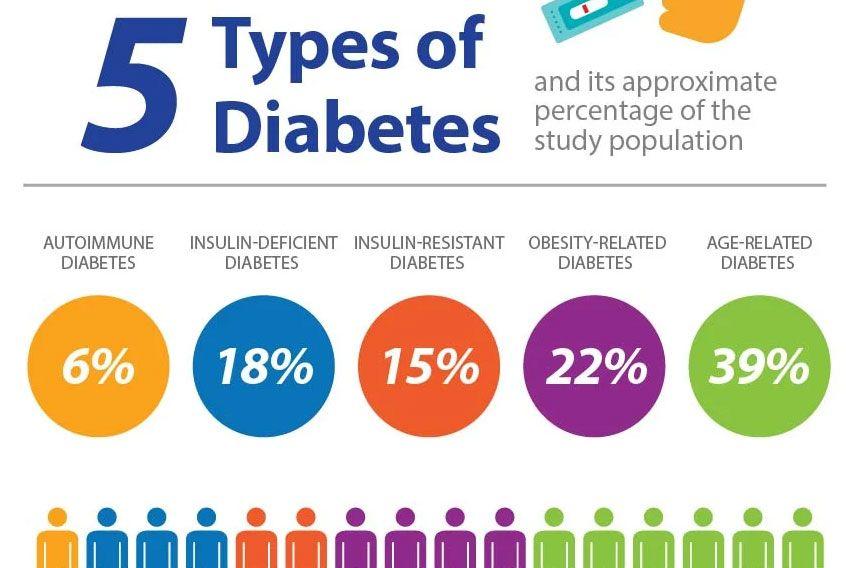
Diabetes is a metabolic mildew which is caused when a pancreas does not furnish sufficient insulin to of course spin sugars ingested in to your physique in to energy. There have been 3 vital sorts of diabetes. Type-1 Diabetes
This sort of diabetes is an autoimmune mildew ??ing limb loss and visual impairments. Today, however, many diabetics who carefully manage their illness have a better chance of avoiding these complications. Harding’s goals are to live her best life and avoid such diabetic complications.
“I am living not just for myself. … I don’t want to be a burden on (my children and husband) one day. For my husband … I want a long, good life with him,” she said.
To control her blood sugar levels, Harding uses what she calls her “mechanical pancreas”: a computerized insulin pump she wears on the waistband of her clothes. The pump delivers a steadying (basal) amount of insulin 24 hours a day; she can administer boosts (boluses) of insulin if needed.
The pump suits her active lifestyle. Harding is a self-professed “adrenaline junkie.” She loves roller coasters, and she went tandem skydiving for her 40th birthday.
“I didn’t want to think that I couldn’t do (these things) with the diabetes,” she said.
In 2008, she rode in the MS 150 bike ride to raise money to fight multiple sclerosis. She ran the Cooper River Bridge Run and competed in the Pinehurst and Lake Norman Triathlons in the past year. She is training for the Memphis Triathlon in May and the Nation’s Triathlon in September.
To achieve her goals and stay ahead of her diabetes, Harding is careful about monitoring herself. She checks her blood sugar levels before, during and after exercise – about eight to 10 times a day on average. She exercises two hours a day, six days a week when in training.
“The best thing for a diabetic is weight training,” Harding said. She also swims, bikes and runs.
“Living with a chronic disease is hard,” Harding said, but she tries to be a force of positive energy. Leah Bailey ran Cooper River with Harding and has known Harding for more than 10 years. Bailey uses words like “positive,” “encouraging” and “inspirational” when she describes Harding.
Other people notice Harding has been successful living with diabetes. Parents of diabetic children and fellow diabetic exercisers have asked to talk with her about how she manages her disease so well, and she is always happy to share.
Harding knows there is no cure for diabetes, but she hopes that in her lifetime, medical professionals will perfect cloning of organs to cure diabetes.
“I am a person that lives with a disease,” she said. “It is a part of who I am. I work hard at making sure that I get to dictate what (diabetes) is going to be in my life.”
Marissa Brooks is a freelance writer who lives in the Arboretum area. Have a story idea for Marissa? E-mail her at .
—
Marissa Brooks