Q I am a 69-year-old male with diabetes and hypertension. Several months ago, I had an uncontrollable urge to eat dessert. I cooked green beans with coconut milk and gula melaka (palm sugar) and had this for several days.
Some days later, I took my scheduled blood glucose test and expected the reading to soar above 8.2 (it is normally between 6.9 and 8.2). I was surprised that it was only 7.
I do not usually take food or drinks with sugar. Last month, my blood glucose reading was 8 although I did not eat any dessert at all. Is gula melaka tolerated by my body? Is there a refined natural gula melaka that I can buy for my coffee or tea so that I do not have to use artificial sweeteners?
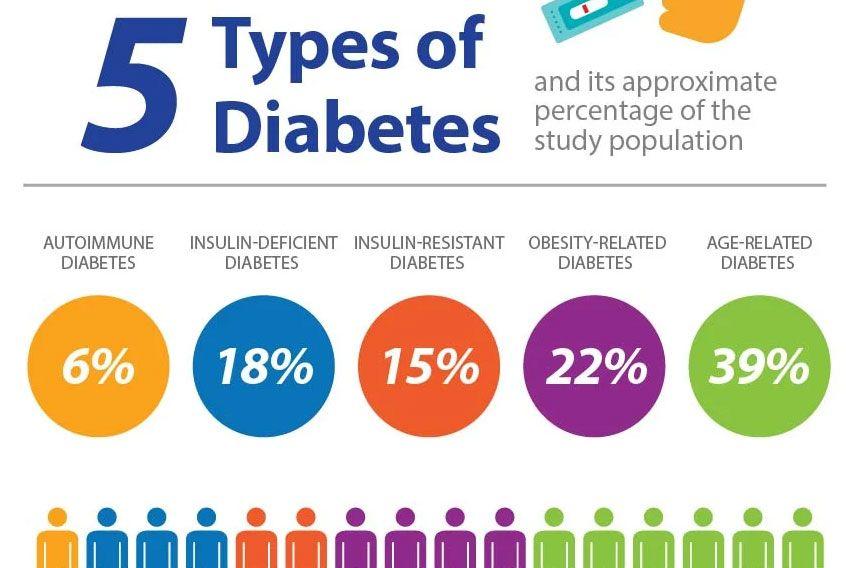
A At 69 and with hypertension, it is likely you have type-2 diabetes. This is due to a combination of factors whereby the body is resistant to the effects of insulin and is not producing enough insulin.
Treatment includes lifestyle changes such as weight loss, diet, exercise and anti-diabetic tablets, injections or insulin therapy.
There is also type-1 diabetes which is due to the body’s inability to produce insulin and the treatment is insulin replacement.
As there are abnormalities in the control of blood glucose levels in both types, maintaining healthy eating habits is key to optimum diabetic control.
There are several blood tests that can help you manage diabetes. The blood test you had is likely to be the measurement of HbA1c.
When haemoglobin is exposed to high levels of glucose, it forms glycated haemoglobin. This reflects an average level of glucose in the body over the past two to three months (the life span of the red blood cell). The optimal levels are from 6.5 to 7 per cent.
A change in diet and presumed high readings just prior to the HbA1c test may not be reflected, hence your surprise reading of 7. However, the later reading of 8 reflects the higher exposure to glucose.
Another common way of measuring blood glucose is by using the blood glucose meter whereby blood is taken from a finger-prick.
This gives an immediate indication of the current glucose level. This method is recommended for most diabetics, especially those using insulin, pregnant women with pre-existing diabetes or gestational diabetes, and patients at risk of developing hypoglycaemia (low blood glucose levels).
Blood glucose readings are usually taken several times a day to give an indication of control throughout the day. Alternatively, a fasting blood test can be taken.
The targets of glycemic control should be defined for each individual and agreed upon between the doctor and patient.
Palm sugar is known to have a lower glycemic index (GI) of 35, just over a third of the glycemic index of cane sugar (93).
Thus, if a person consumes a tablespoon of palm sugar and a tablespoon of white cane sugar, the cane sugar will raise the person’s blood glucose levels more, whereas the palm sugar will raise the glucose levels to only about 37 per cent of the cane sugar level.
However, many other factors have to be considered when using GI, for example, the presence of other food content. Taking gula melaka may bring about a smaller rise in blood sugar compared to other forms of sugar but, overall, it is the amount of carbohydrates consumed that determines the levels of blood glucose.
There is no refined natural gula melaka available. If possible, avoid sugar. If not, use natural palm sugar or artificial sweeteners in moderation. However, diet and lifestyle changes are the cornerstone of optimal diabetes control.
Other aspects such as risk factors for cardiovascular disease associated with diabetes also need to be managed. These include control of cholesterol levels and hypertension, and giving up smoking.
DR ERIC KHOO
Consultant at the division of endocrinology, National University Hospital