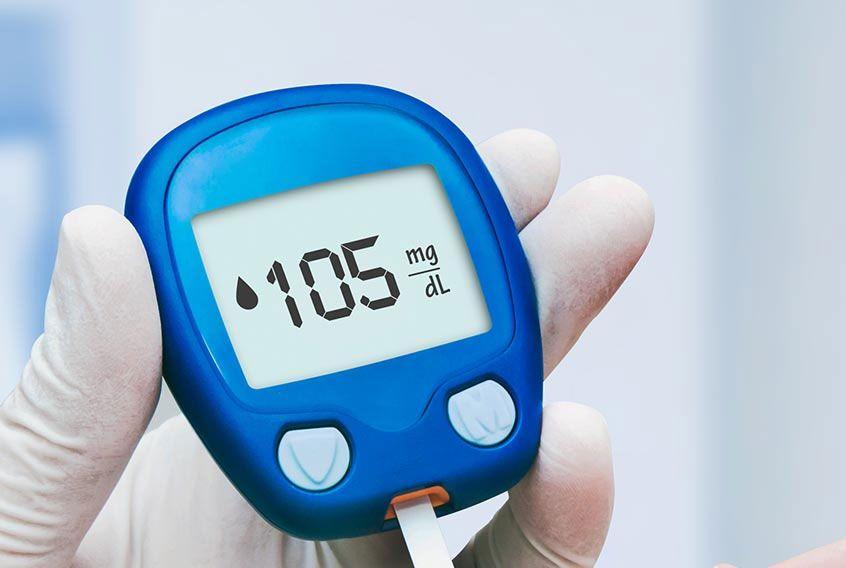
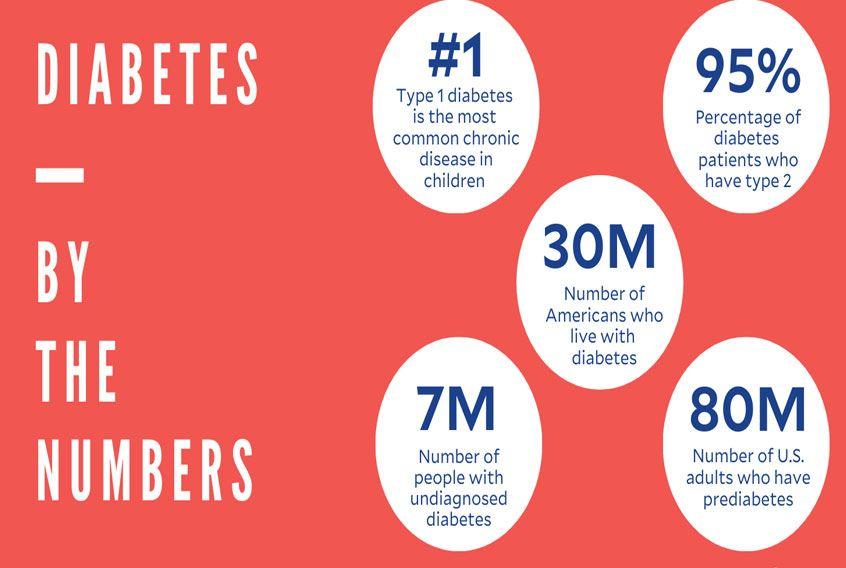
Diabetes is the inability to regulate the amount of sugar, especially glucose in the blood. Blood glucose gives you the energy you need to do things like walking, running, cycling and a host of other daily activities.
When we eat foods blood glucose is produced by the liver. Under normal conditions glucose is regulated by several hormones, including insulin. Insulin is produced in the pancreas along with other important enzymes that help digestion of food. Insulin allows glucose to pass from the blood to the liver, muscle and fat cells where it is used as fuel.
When a person does not produce enough insulin that is known as type 1 diabetes. Another situation where a person can not properly use insulin is called type 2 diabetes. People may have one or two forms of the disease. The problem is that glucose can not move blood to the cells that need energy and high levels remaining in the blood can cause damage to other tissues and organs.
Both forms of diabetes lead to levels of blood sugar are called hyperglycemia. This condition, for a long period of time will result in several serious medical conditions. Damage to the retina of the eye of diabetes is the leading cause of blindness. It can also cause kidney damage, resulting in kidney failure. Nerve damage from diabetes is the leading cause of wounds and leg ulcers that can result in amputation of feet and legs.
Damage to nerves can also lead to paralysis of the stomach (gastric), chronic diarrhea, and an inability to control the heart rate and blood pressure during postural changes.
Diabetes also can cause atherosclerosis, which is when a fatty plaques inside the arteries. This can lead to heart attacks and strokes, as well as decreased circulation in our arms and legs.
Diabetes can also contribute to a short series of medical problems. Many infections are associated with diabetes. Infections are also more frequent and dangerous for people with the disease, because it hinders the body??- embed –>
So I got pills. Had many side effects and landed on one which isn’t the best for my heart, but is good for the diabetes.
I gained a tremendous amount of weight, thus answering to the idea that diabetes and obesity go together. I developed high cholesterol and a few other things, and when I started to take pills against high cholesterol I got terrible muscle aches and dizziness.
I’m tired all the time.
Whenever a minor ailment hits, or something larger like flu, my glucose levels are all over the place.
My body realised much faster than my brains that something is the matter, which might sound nice, but really is a burden.
I often feel like a vacuumcleaner which is pulled, but can’t do much as it’s fixed to the ground.
Not really how a former balletdancer assumes she feels when she’s older.
With a family like mine, there’s always some level of stress, and often I used it as motivation to go on and on.
My body can deal with it, otherwise I would have had a heart attack long before.
But the level of stress we’re now experiencing isn’t good at all.
I’ve lost a lot of weight and I have to monitor my glucose very carefully, because there’s no visible trend at the moment. Not helping is the fact that my activities are not spread over the day anymore. I feel like a free floating battleship on a sea which is prone to different winds and storms.
This morning I woke up very early…hungry.
It’s for the first time in two weeks that that feeling hit me. Waking up because of it is ages ago.
I had a slice of a low calory and low sugar kind of gingerbread, which is the only thing my body tolerates in the morning, helped the girls to school and felt so unwell I went to bed again.
My glucose levels are OK, but inside I feel shaky, which means the levels can be up and down very fast.
Long term stress is never good to the body. The stresshormones are influencing many organs.
All I can do is try to act like I do on normal days and hope the body takes over.
A deep breath, good relaxation and spread activities with the regular eating habits.
Hopefully the stress will be resolved soon.
—
Laane on the World
laaneworld.com