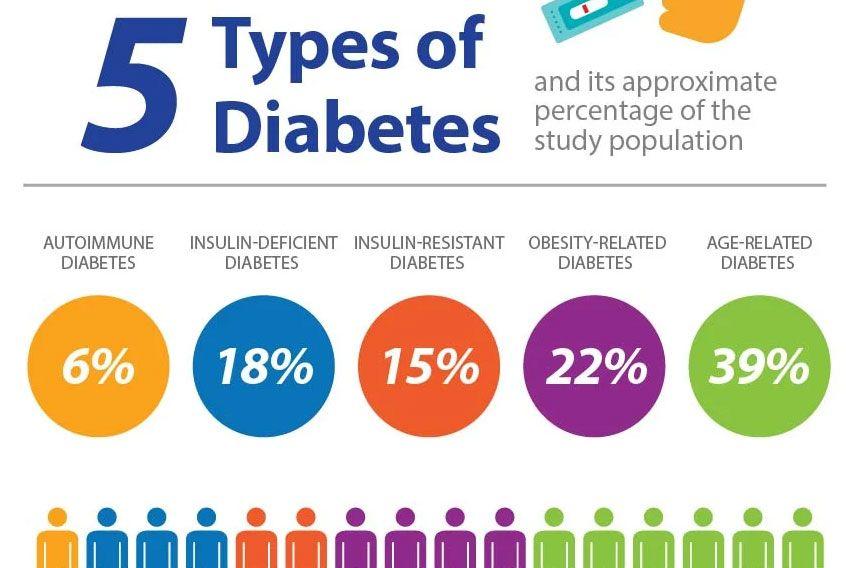
Understanding the nature of diabetes mellitus is the first step in fighting this disease. Remember that the more you know about the enemy, the better equipped you are to fight it. To help you fight off diabetes mellitus, here are five very important things that you need to know about the disease.
Types Of Diabetes Mellitus
There are two major types of this disease namely, type 1 and type II. Of the two types of diabetes, type I is usually more serious and life threatening. Approximately 10% of all diabetes patients in the United States have type 1 diabetes. Unlike type II diabetes which is preventable, type 1 diabetes is almost impossible to prevent. Note that in type 1 diabetes or juvenile onset diabetes mellitus, the body mistakenly produces antibodies and inflammatory cells that attack the pancreas and render it incapable of producing enough insulin. Experts believe that the tendency of the body to produce excessive amount of antibodies is genetically inherited. This means that some are predisposed to type 1 diabetes mellitus while others are not. Children whose father or mother have type I diabetes are at risk of contracting the disease.
Aside from genetic predisposition to the disease, exposure to certain viral infection like mumps and coxsackie viruses can trigger the abnormal production of antibodies that attack the pancreas. Studies show that many patients who are suffering from type 1 diabetes have high levels of anti-insulin antibodies, anti-islet cell antibodies and anti-glutamic decarboxylase antibodies. Experts believe that the production of these antibodies may have been triggers by viral infections.
While type I diabetes mellitus is linked to excessive production of antibodies, type II diabetes is often linked to obesity. According to studies, there is a direct relationship between obesity and type II diabetes. For every 20% increase over the ideal body weight, the chances of getting type diabetes II increase by about 200%. Both children and adults who are overweight are at risked of getting type II diabetes mellitus. However, older people tend have higher risk of getting the disease as compared to their younger counterparts. You see, age is a fact when it comes to this disease. According to experts, people who are already in their 40s and older, regardless of their weight, are at risk of suffering from diabetes. People who have family history of diabetes are also at risk of getting the disease especially as they grow older.
Common Signs And Symptoms Of Diabetes Mellitus
The common signs and symptoms of diabetes mellitus include unusual weight gain or weight loss, fatigue, excessive thirst, dry mouth, frequent urination, excessive hunger, feeling of nausea, recurrent vaginal infection in women, frequent yeast infection in men and slow healing sores and cuts. As the patient’s condition worsens, he or she may suffer from blurred vision and vomiting.
Untreated diabetes mellitus can be fatal so if is very important to treat the disease as early as possible. Note that people who have diabetes are at risk of suffering from high blood pressure, kidney problems, nerve problems and coronary problems.
Managing The Disease
Living with diabetes can be a bit complicated especially for people who have type I diabetes mellitus. However, with proper medical attention and change in lifestyle, suffers of type I diabetes may still be able to lead normal lives.
On the other hand, people who have type II diabetes have better chances of beating this disease. The first step in managing type II diabetes is to stay within the ideal weight level. Eating a balanced diet and getting enough exercise is very important in this case. The combination of good lifestyle and medication will do wonders to people who are suffering from type II diabetes mellitus.
Always consult your doctor before using this information.
This Article is nutritional in nature and is not to be construed as medical advice.
David Cowley has created numerous articles on diabetes. He has also created a Web Site dedicated to diabetes and how to treat them. Visit Diabetes Treatment
Author: David Cowley