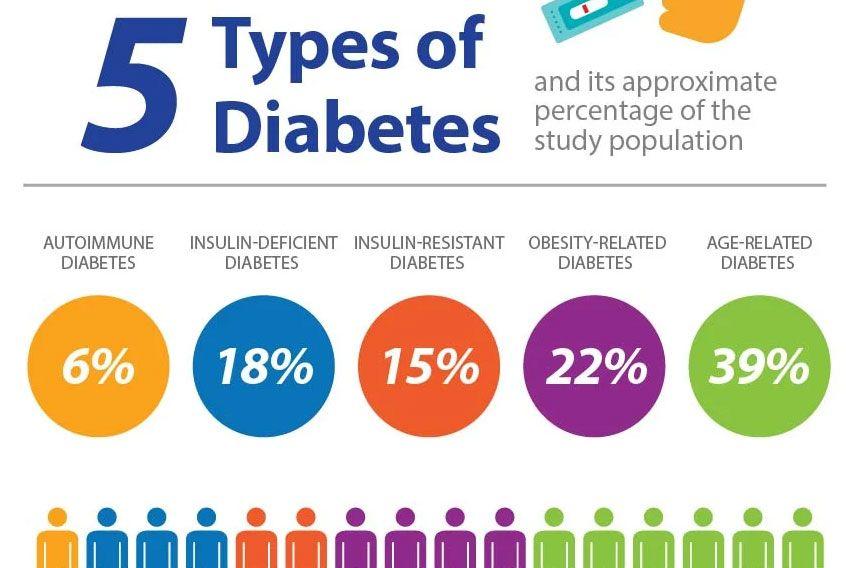
University of Queensland researchers are using traditional Chinese exercises to combat the growing problem of diabetes.
In a study that is believed to be the first in the world to evaluate the effectiveness of Qigong and Tai Chi to combat the disease, PhD student Liu Xin has developed a series of exercises to reduce the risk of progression to Type 2 diabetes.
The exercises target risk factors, including high blood pressure and high blood glucose levels, by focusing particularly on the kidneys, stomach and spleen.
Mr Liu, a Qigong and Tai Chi master, said diabetes was a disease that involved many different parts of the body.
“Clearly we should take into consideration the function of all internal organs when designing an intervention program,” he said.
The Diabetes Queensland Qigong Program, funded by the Diabetes Australia Research Trust, is being conducted at UQ’s School of Human Movement Studies by Mr Liu, project leader Professor Wendy Brown and researchers Dr Yvette Miller and Nicola Burton.
Mr Liu, who has studied Qigong and Tai Chi for more than 30 years, said the spiral movements of the designed exercises could stimulate the muscles more than conventional exercises and were also expected to consume more blood glucose.
Qigong (pronounced chi kung) is a combination of movement, breathing and the mind. It is believed that the 5000-year-old self-healing art helps cleanse the body of toxins, restore energy and reduce stress and anxiety.
Australia has one of the highest rates of diabetes in the developed world. An estimated 7.5 percent of adults aged 25 years and over have diabetes and a further 16 percent of adults are at risk of developing Type 2 diabetes.
“We have created numerous medicines to combat diabetes but so far they have not stopped the growth in the prevalence of diabetes in society,” Mr Liu said.
Mr Liu’s PhD supervisor, Dr Miller, said evidence showed that physical activity played a role in reducing the risk of diabetes.
“There are also some stress reduction properties. So there are many different stories pointing towards the potential of this type of exercise for diabetes,” Dr Miller said.
She said the findings of the study would provide one piece of the puzzle in an overall menu of options for people who needed to reduce their risk of diabetes.
“We know there is a segment of the population that doesn’t feel comfortable with high exertion activities so we are looking for an option that is effective for those kinds of people,” she said.
The researchers will begin clinical trials in August 2005 and are currently looking for volunteers who have been told by their doctor that they have elevated fasting blood glucose levels.
“We expect to see that the people who participate in the program will have improvements in insulin sensitivity,” Dr Miller said.