Skip to content

Below 70? The 15-15 rule

All forDiabetes

Introduction to Diabetes

All for DiabetesPublished September 1, 20051 min read

Key points

  • Diabetes mellitus is characterized by abnormally high levels of sugar (glucose) in the blood.
  • In people with diabetes, blood sugar levels remain high.
  • When the amount of glucose in the blood increases, e.g., after a meal, it triggers the release of the hormone insulin from the pancreas.
  • For many years, scientists have been searching for clues in our genetic makeup that may explain why some people are more likely to get diabetes than others are.

Diabetes mellitus is characterized by abnormally high levels of sugar (glucose) in the blood.

When the amount of glucose in the blood increases, e.g., after a meal, it triggers the release of the hormone insulin from the pancreas. Insulin stimulates muscle and fat cells to remove glucose from the blood and stimulates the liver to metabolize glucose, causing the blood sugar level to decrease to normal levels.

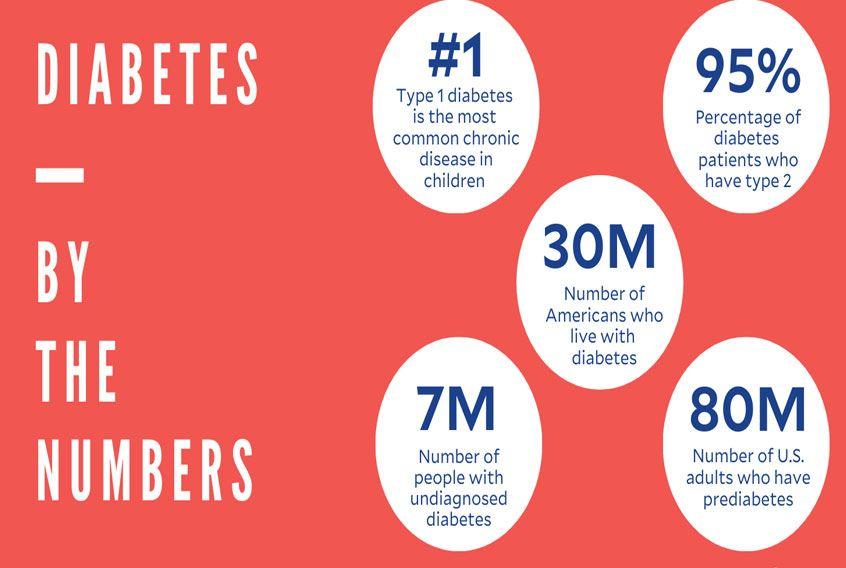
In people with diabetes, blood sugar levels remain high. This may be because insulin is not being produced at all, is not made at sufficient levels, or is not as effective as it should be. The most common forms of diabetes are type 1 diabetes (5%), which is an autoimmune disorder, and type 2 diabetes (95%), which is associated with obesity. Gestational diabetes is a form of diabetes that occurs in pregnancy, and other forms of diabetes are very rare and are caused by a single gene mutation.

For many years, scientists have been searching for clues in our genetic makeup that may explain why some people are more likely to get diabetes than others are. “The Genetic Landscape of Diabetes” introduces some of the genes that have been suggested to play a role in the development of diabetes
The content on this site is for information only and is not a substitute for professional medical advice, diagnosis or treatment. If someone with diabetes is confused, unconscious or cannot swallow, call 911 or your local emergency number.

Filed underDiabetes News
Type 1 Diabetes

The Future of the Diabetes Care Devices Market

GBI Research’s new report, – provides key data, information and analysis on the global diabetes care devices market. The report provides market landscape, competitive landscape and market trends information on two diabetes care devices market categories – glucose monitoring and

2 min read

Gestational Diabetes: Causes And Risk Factors
Gestational Diabetes

Gestational Diabetes: Causes And Risk Factors

The hormones produced by the placenta in pregnancy – including estrogen, cortisol, and human placental lactogen (HPL) – are what trigger the insulin resistance in women predisposed to the condition. As pregnancy progresses and the placenta grows larger, hormone production

1 min read

Diabetes News

Football club offers diabetes tests to 4,000 spectators

SHARJAH // Sharjah Football Club offered fans a little something extra to the usual excitement on the pitch during its match against Al Wahda yesterday: free blood-sugar and body-mass-index tests. More than 4,000 fans were also offered information leaflets as

3 min read

Low blood sugar

Below 70? Use the 15-15 rule.

Hypoglycemia can happen to anyone who takes insulin or certain diabetes tablets. Treat it straight away. If someone is confused, unconscious or can’t swallow, don’t give food or drink: use glucagon if it is available and call 911 or your local emergency number.

Common signs

  • Shaking or trembling
  • Sweating, clammy skin
  • Fast heartbeat
  • Dizziness
  • Hunger
  • Confusion or irritability
  1. STEP 115 gTake fast-acting sugar4 oz (½ cup) of juice or regular soda, 4 glucose tablets, or 1 tablespoon of sugar or honey.
  2. STEP 215 minWait, then recheckStill below 70 mg/dL? Take another 15 g and check again.
  3. STEP 3SnackOnce back in rangeEat a meal or snack if your next one is more than an hour away.

Based on American Diabetes Association guidance. Your care team may give you a different plan, for example for children or after severe lows. Outside the US, call your local emergency number.