No matter the age, it’s something you can’t ignore
The list of things a teenage boy and a middle-aged woman each can relate to is expectedly short.
But not for Sam Dellacecca and Rosalie Fearing.
The challenges they face each day mirror each other in ordinary activities most people don’t give a second thought. They’ve both spent time wishing for normal lives that wouldn’t push them to stand out from their peers.
Both are living with diabetes and depend on insulin.
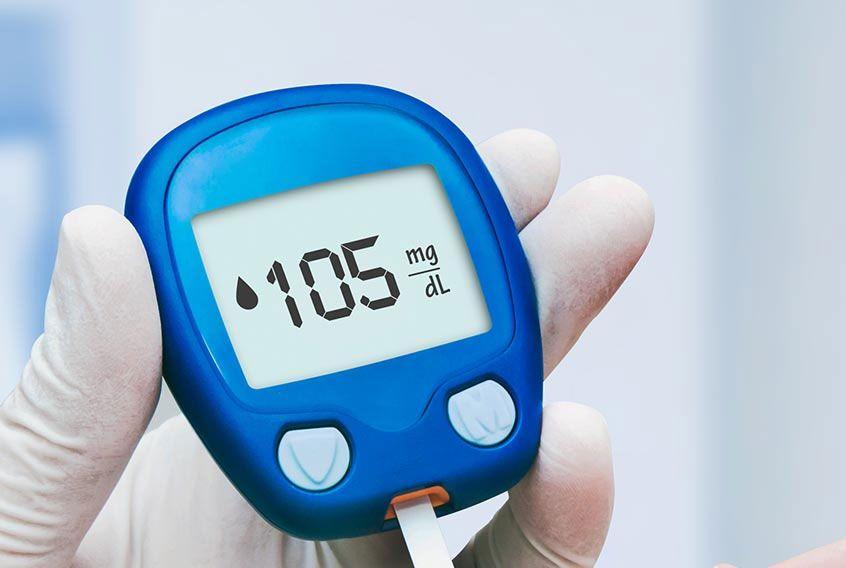
They both prick their fingers to test their blood sugars. They both have found themselves pretending they didn’t have diabetes. They’ve both spent time thinking that having diabetes wasn’t fair. And they’ve both taken the daily waking battle for their own health in stride.
Sam Dellacecca uses an insulin pump to manage his diabetes. The pump delivers insulin throughout the day via a catheter.
Brainerd Dispatch/Steve Kohls
Sam was diagnosed when he was 12. Rosalie when she was 35. A case of blurred vision and ongoing insatiable thirst led Sam to the doctor’s diagnosis. Rosalie thought she was battling kidney infections. Adopted, Rosalie didn’t have a biological medical history to draw from to indicate diabetes. But a search for her birth mother in 1998 discovered the hereditary link.
In 2005, Rosalie started seeing spots, or floaters, in her eyes. Because her diabetes wasn’t always controlled, she was bleeding behind her eyes threatening her vision.
Daily concerns for diabetics may include a strict eating schedule, a routine of testing blood four times a day, reading labels, counting carbohydrates and daily shots of insulin. For Kathe Dellacecca and her son Sam, who live in south Brainerd, the hope is for medical advances on the horizon that will help those dealing with the disease.
Brainerd Dispatch/Steve Kohls
“There are times when you just don’t want to be a diabetic, you just want to deny it,” Rosalie said. “So you just eat what you want. I’ll be the first to admit there were a couple of years there I just pretended I didn’t have it. Which really affected me in the long run because I almost became blind in both eyes.”
Ignoring diabetes comes at personal peril. And physical changes can happen quickly.
But Sam understands the desire – one that would seem to be compounded during high school – to fit in with peers and not stand out as being different. Asked if he’s shared Rosalie’s urge to pretend he doesn’t have diabetes, Sam nodded, smiled and said “a lot.”
“You feel like sometimes it’s just not fair because you are out there with friends or family who can just eat whatever they want,” Rosalie said. “I can’t imagine having it as a teenager.”
There is the strict eating schedule, a routine of testing blood four times a day, reading labels, counting carbohydrates and daily shots of insulin.
If blood sugar is too low, symptoms include confusion and hampered vision that could be followed by a loss of consciousness. Not properly treated, the disease can have crippling effects on the body.
Sam’s had scary moments when his blood sugar was low and he was in his own family’s kitchen searching for the snack drawer but unable to remember where it was.
His family hopes his youth will be a blessing and he’ll be able to avoid damage to his body from diabetes in anticipation of coming breakthroughs in medicine and technology.
An active athlete who will soon turn 16, Sam began using an insulin pump, which replaces periodic needle injections by delivering insulin throughout the day via a catheter.
Sam said when he’s out at a restaurant with friends it can be tempting not to test his blood and to take a random guess at the carbs he’s eating and how much insulin he’ll need.
“Because I just didn’t want to deal with it,” he said.
He’d rather avoid turning the attention of the moment directly onto his diabetes and away from the fun of the group setting at a time when everyone has forgotten about the disease. Testing becomes a mood killer.
“You want to feel normal,” Sam said. “You don’t want to stand out.”
Concerned for his well-being, his family is quick to remind him to test his blood. Sam said he knows they mean well but sometimes he doesn’t want to hear it.
“I like it a lot better when no one’s bugging me and saying anything about it,” Sam said.
Rosalie can relate, saying she can be sick of hearing about her diabetes even though she knows it’s because her loved ones care about her.
“It has to be a priority in your life,” Rosalie said. “It doesn’t have to be the priority. You just want to feel normal.”
Rosalie is married, is studying for her bachelor’s degree as a paralegal while working full time at Lakewood Health System. She sings in a southern gospel trio, is a primary caregiver for her mother, cooks and creates recipes and does some catering and is in charge of Bible schools at her church.
Sam balances his diabetes with school, piano and his athletic events. A competitive swimmer on the school team, he adjusts his time during the 2-1/2 hour swim practices and gets out of the water along the way to take his insulin. He’s planning to take part in a triathlon next year.
At school, Sam said when he tests his blood sugar before lunch there can be a little competition with the other diabetic students to see who has a better number.
Now that he’s older and spends more time away from home and out with friends, he’s come to realize just how few of his friends really know what to do if he runs into trouble.
“I just wish everyone knew more about it,” Sam said.
Rosalie said if she had known as a child she was really dealing with diabetes she may have been able to counter health issues she’s dealt with as an adult, such as a difficulty having children of her own.
Their advice for others is to be aware of the symptoms and to get checked if they suspect something because they are proof that active full lives are possible with diabetes.
“Don’t try to deny it,” Sam said.
RENEE RICHARDSON may be reached at or 855-5852.
—-
By RENEE RICHARDSON
Senior Reporter