What Is Type 1 Diabetes?
A recent report from CBS News highlights insights shared by a leader at the Children's Diabetes Foundation about what people should know regarding type 1 diabetes. Type 1 diabetes is a chronic condition where the pancreas produces little or no insulin. Insulin is a hormone needed to allow sugar (glucose) to enter cells to produce energy. Unlike type 2 diabetes, type 1 is usually diagnosed in children and young adults. However, it can develop at any age.
The exact cause of type 1 diabetes is unknown, but it's believed to involve a combination of genetic and environmental factors. Unlike type 2 diabetes, type 1 is not linked to lifestyle or diet choices. The immune system mistakenly attacks and destroys the insulin-producing cells in the pancreas. This autoimmune reaction is what sets type 1 apart from type 2 diabetes, where the body becomes resistant to insulin.
Managing type 1 diabetes requires a lifelong commitment to monitoring blood sugar levels, engaging in healthy eating, staying physically active, and taking insulin. People with type 1 diabetes need to work closely with their healthcare team to develop a personalized management plan. Understanding this condition is crucial for those living with it and their loved ones.
How Do You Recognize the Symptoms of Type 1 Diabetes?
Recognizing the symptoms of type 1 diabetes is important for early diagnosis and management. Common symptoms include increased thirst, frequent urination, extreme hunger, unintended weight loss, fatigue, and blurred vision. These symptoms can develop quickly, over a few weeks. In children, bed-wetting may also be an indicator.
If these symptoms are present and type 1 diabetes is suspected, it’s essential to visit a healthcare provider promptly. Early diagnosis and treatment can help prevent complications. A simple blood test can determine if blood sugar levels are elevated, which is a key indicator of diabetes.
In some cases, type 1 diabetes may be mistaken for other illnesses, especially in children. That’s why understanding the symptoms and seeking medical advice is critical. A healthcare provider will conduct tests to confirm the diagnosis and discuss the next steps in managing the condition.
What Are the Causes and Risk Factors of Type 1 Diabetes?
The exact causes of type 1 diabetes are still not fully understood, but research suggests a mix of genetic and environmental factors. Having a family history of type 1 diabetes increases the risk, although many people with the condition do not have close relatives with diabetes. Certain genes are known to play a role in developing type 1 diabetes, but not everyone with these genes will get the disease.
Exposure to certain viruses may trigger the autoimmune response that leads to type 1 diabetes in genetically susceptible individuals. Some researchers are exploring the possibility that environmental factors, such as diet or exposure to toxins, might influence the development of the disease, but no definitive links have been established.
While there’s no known way to prevent type 1 diabetes, understanding the risk factors can help with early detection and management. Families with a history of type 1 diabetes may want to consider genetic counseling or testing, especially if there are concerns about the condition in children.
How Is Blood Sugar Monitored and Managed in Type 1 Diabetes?
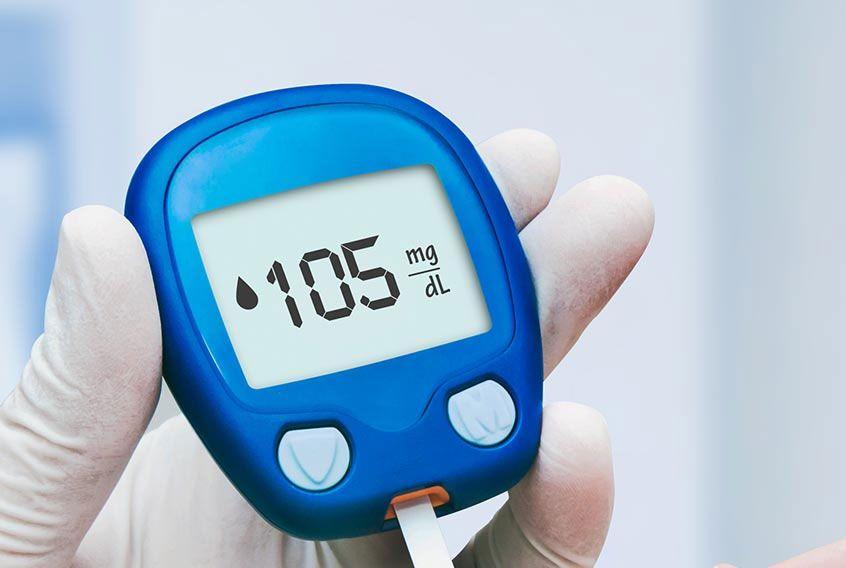
Monitoring blood sugar levels is a crucial part of managing type 1 diabetes. People with type 1 diabetes need to check their blood sugar multiple times a day using a blood glucose meter or a continuous glucose monitor (CGM). These devices provide real-time information about blood sugar levels, helping individuals make informed decisions about food, activity, and insulin administration.
The goal of monitoring is to keep blood sugar levels within a target range set by a healthcare provider. Maintaining target blood sugar levels can help prevent complications such as nerve damage, kidney problems, and cardiovascular disease. Regular monitoring also helps identify patterns and adjust treatment plans as needed.
Managing blood sugar involves more than just monitoring. It requires balancing insulin doses with meals, physical activity, and other factors. Insulin can be administered through injections or an insulin pump. A healthcare team can help determine the best method and dosing schedule for each individual. Regular follow-up appointments are important to ensure that the management plan remains effective.
What Are the Treatment Options for Type 1 Diabetes?
Type 1 diabetes treatment focuses on managing blood sugar levels to prevent complications. Insulin therapy is the cornerstone of treatment, as the body no longer produces insulin. There are several types of insulin, including rapid-acting, short-acting, intermediate-acting, and long-acting, each with different onset times and durations.
In addition to insulin therapy, lifestyle modifications play a significant role in managing type 1 diabetes. A balanced diet rich in nutrients and low in processed sugars helps maintain stable blood sugar levels. Carbohydrate counting is often used to match insulin doses with meal content, and a registered dietitian can provide guidance on meal planning.
Physical activity is also important for managing type 1 diabetes. Regular exercise helps improve insulin sensitivity and lowers blood sugar levels. However, exercise can also cause blood sugar to drop, so it’s important to monitor levels before, during, and after activity. A healthcare provider can offer advice on safe and effective ways to incorporate exercise into a diabetes management plan.
What Complications Can Arise from Type 1 Diabetes?
Type 1 diabetes can lead to several complications if blood sugar is not well managed over time. High blood sugar levels can damage blood vessels and nerves, leading to complications such as neuropathy (nerve damage), nephropathy (kidney damage), and retinopathy (eye damage). Cardiovascular disease is also a significant risk for people with type 1 diabetes.
Short-term complications include hypoglycemia (low blood sugar) and hyperglycemia (high blood sugar), both of which require prompt treatment. Hypoglycemia can cause symptoms like dizziness, confusion, and fainting, while hyperglycemia can lead to more severe conditions such as diabetic ketoacidosis (DKA), which is life-threatening if not treated immediately.
Regular check-ups and blood tests help detect complications early. Managing blood sugar levels, blood pressure, and cholesterol through lifestyle changes and medications can reduce the risk of complications. People with type 1 diabetes should have regular eye exams and kidney function tests to monitor for complications.
When Should You Seek Immediate Medical Attention?
Certain symptoms in type 1 diabetes require immediate medical attention. Low blood sugar, or hypoglycemia, can become severe and lead to confusion, fainting, or seizures. If someone experiences these symptoms, it’s crucial to treat low blood sugar quickly with fast-acting carbohydrates and seek medical help if symptoms persist.
High blood sugar, or hyperglycemia, can also be dangerous if not addressed. Symptoms like extreme thirst, frequent urination, nausea, vomiting, fruity-smelling breath, and deep, fast breathing may indicate diabetic ketoacidosis (DKA), a serious condition that needs urgent care. If these symptoms occur, it's important to seek emergency medical assistance immediately.
Other situations that require urgent medical attention include chest pain or signs of a stroke, such as sudden weakness, confusion, or difficulty speaking. In any medical emergency, calling 911 is the best course of action. Timely intervention can prevent serious health consequences and improve outcomes in individuals with type 1 diabetes.
Understanding type 1 diabetes and how to manage it effectively is crucial for living a healthy life. Working closely with a healthcare team, staying informed, and being proactive in management can help those with type 1 diabetes lead full and active lives.
Source: Leader at Children's Diabetes Foundation explains what people should know about Type 1 diabetes (CBS News)
This article is for general information only and is not medical advice. Always talk with your doctor or diabetes care team about your symptoms, blood sugar targets and treatment, and never change your medication or insulin without their advice. If you have signs of very low or very high blood sugar that do not improve, or you feel very unwell, call 911 or go to the nearest emergency room.