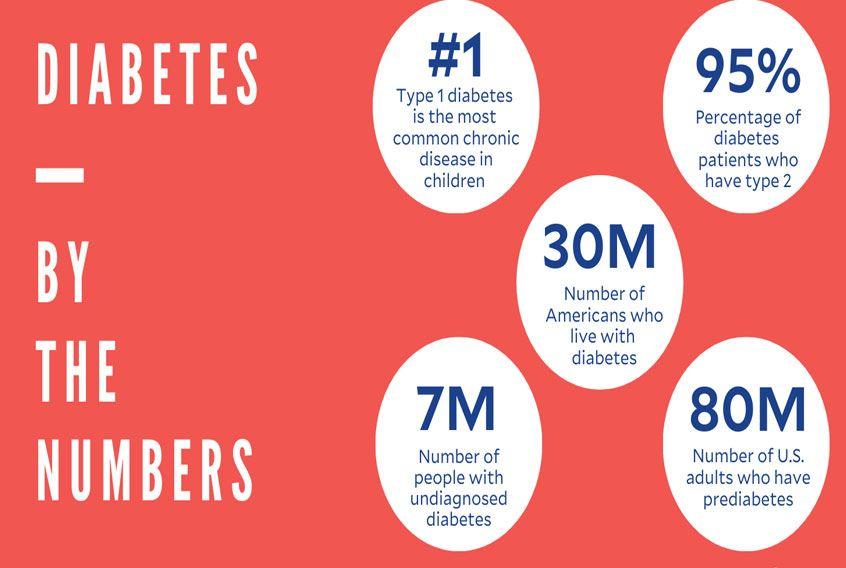
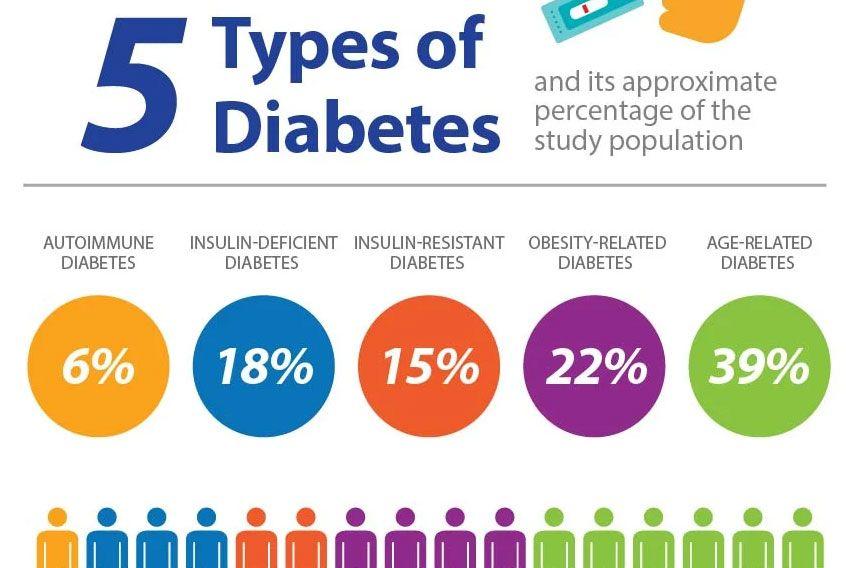
Type 2 diabetes affects millions of Americans each year, and many more are at high risk without knowing it according to the American Diabetes Association. This blood disease occurs when the body is unable to produce the hormone insulin, or the cells are unable to process it. Insulin is necessary for the processing of glucose, and without it, blood sugar levels become unnaturally high, and serious complications result.
Symptoms of Diabetes
The first sign a person might be diabetic is an insatiable thirst accompanied by frequent urination. Blurry vision, increased appetite and losing weight in spite of eating well can also be signs that blood sugar levels are running high.
That said, sometimes a person with Type 2 diabetes will experience no symptoms at all. Any potential symptoms of diabetes should be promptly evaluated by a physician.
Complications of Type 2 Diabetes
When blood glucose levels are high and the cells are not able to process the sugar, the body??starved for energy. Over time, these elevated levels can damage the eyes, kidneys, nerves or heart, and even lead to death.
One of the most common complications of diabetes is a loss of feeling in the extremities known as diabetic neuropathy. Patients may lose some or all of the feeling in their feet, can experience burning sensations in the feet, and may have balance problems as a result. Trauma to the feet combined with poor circulation (another symptom of diabetes) can even lead to amputation.
According to the American Diabetes Association, other serious complications of diabetes include heart disease and stroke (diabetic adults have heart disease rates about 2-4 times greater than adults without diabetes), high blood pressure, blindness (diabetic retinopathy causes between 12,000 and 24,000 new cases of blindness each year), and kidney disease (diabetes is the leading cause of kidney failure).
In 2006, diabetes was the seventh leading cause of death in the United States.
Treatment for Adult-Onset Diabetes
The best way to treat type 2 diabetes is to prevent it with good blood sugar control. The first line of attack is usually weight loss, exercise and a change in diet. If the patient doesn??the pancreas to make more insulin, or making the body more sensitive to the insulin that is already available. Insulin comes in nasal sprays and injections that can either deliver an immediate result or kick in a few hours later for better long-term control.
For diabetic neuropathy, anodyne therapy can be effective. This non-invasive form of light therapy increases circulation as well as reduces pain and stiffness in the feet.
Hyperbaric therapy for diabetic ulcers is also available in some areas. During hyperbaric therapy, patients enter a pressurized chamber where they breathe 100% oxygen at pressures greater than sea level. This allows more oxygen to circulate in the body, promoting healing.
For more information on Type 2 or Type 1 diabetes, visit the American Diabetes Association.
—
Christy Swift