People who get plenty of vitamin K from food may have a lower risk of developing type 2 diabetes than those who get less of the vitamin, a new study suggests.
Researchers found that among more than 38,000 Dutch adults they followed for a decade, those who got the most vitamin K in their diets were about 20 percent less likely to be diagnosed with type 2 diabetes during the study period.
The findings appear to be the first to show a relationship between vitamin K and diabetes risk, and do not prove that the vitamin is the reason for the lower risk, write the researchers, led by Dr. Joline W.J. Beulens of the University Medical Center Utrecht in the Netherlands.
Instead, they add, the results should fuel further research into whether vitamin K does play a role in the development of type 2 diabetes.
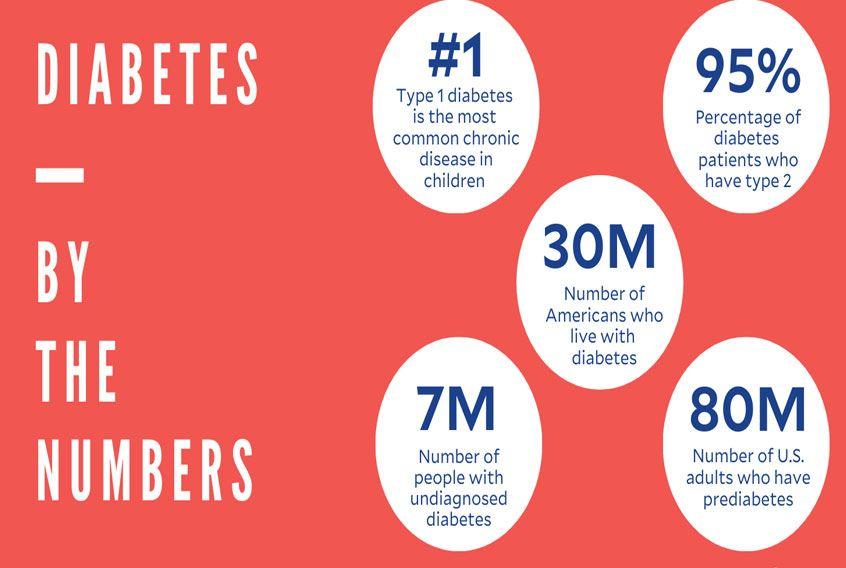
It’s estimated that more than 23 million, or nearly 11 percent, of U.S. adults have type 2 diabetes. The most important risk factors for type 2 diabetes include older age, obesity, family history of diabetes and race – with black, Hispanic and Native Americans at higher risk than whites in the U.S. The extent to which specific nutrients in the diet might affect diabetes risk remains unclear.
Vitamin K exists in two natural forms: vitamin K1, or phylloquinone, found largely in green leafy vegetables, as well as some vegetable oils, such as canola and soybean oils; and vitamin K2, or menaquinone, which people get mainly through meat, cheese and eggs.
In the current study, both vitamins K1 and K2 were related to a lower diabetes risk, but the relationship was stronger with vitamin K2.
The findings, reported in the journal Diabetes Care, are based on questionnaires from 38,094 men and women who were between the ages of 20 and 70 at the outset. Participants completed a detailed diet survey, from which each person’s average vitamin K intake was estimated; they also answered questions on their overall health and lifestyle habits.
Over the next 10 years, 918 study participants were diagnosed with type 2 diabetes, based on their medical records.
In general, Beulens and her colleagues found, the risk of developing type 2 diabetes dipped for every 10-microgram (mcg) increase in vitamin K2 intake. Overall, the one-quarter of participants with the highest intake were 20 percent less likely to be diagnosed with diabetes than the one-quarter with the lowest intake.
With vitamin K1, no decreased risk was seen until consumption of the vitamin was relatively high. Similar to the findings with vitamin K2, the one-quarter of men and women who got the most vitamin K1 were 19 percent less likely to develop diabetes than the quarter with the lowest intake.
The researchers accounted for a number of other factors important in diabetes risk, including age, body weight and exercise habits. They also considered other dietary habits, like total calorie intake and consumption of certain other nutrients, like fat, fiber and vitamins C and E.
Still, higher vitamin K intake, itself, was linked to a lower diabetes risk.
Exactly why the vitamin might be protective is not known. However, Beulens and her colleagues note, there is evidence that vitamin K reduces systemic inflammation, which may improve the body’s use of the blood-sugar-regulating hormone insulin.
More research, they say, is needed both to confirm these findings and to study the potential underlying reasons.
In the U.S., the recommended daily intake for vitamin K, in all forms, is 120 mcg for men and 90 mcg for women. In this study, participants with the highest intakes typically consumed between 250 and 360 mcg of total vitamin K each day.
SOURCE: