Introduction
Carla Janzen, MD, Jeffrey S. Greenspoon, MD, & Sue M. Palmer, MD
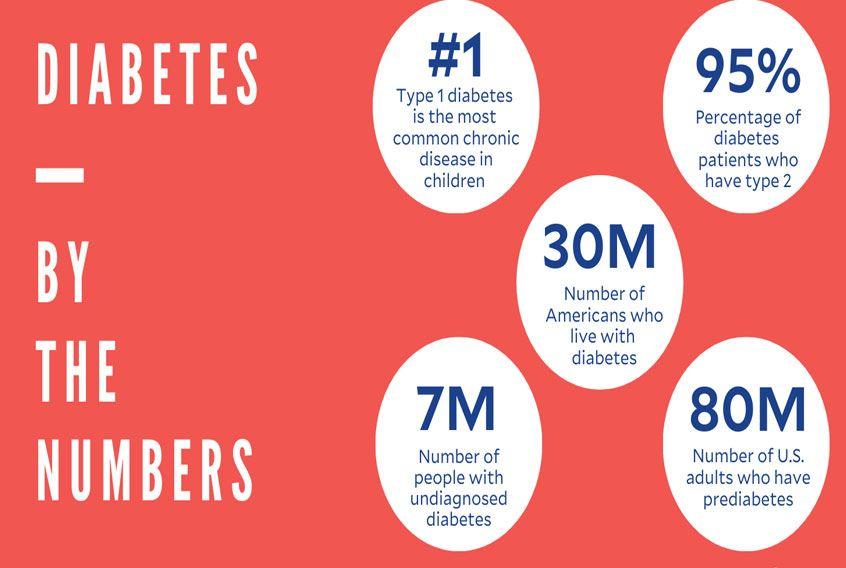
Diabetes mellitus, a clinical syndrome characterized by deficiency of or insensitivity to insulin and exposure of organs to chronic hyperglycemia, is the most common medical complication of pregnancy. Over 3 million persons in the United States are sufficiently affected by diabetes mellitus to warrant treatment with insulin or oral hyperglycemics. Another 3 million are treated with diet alone in addition to a possible 4 or more million with varying degrees of asymptomatic glucose intolerance.
Preexisting diabetes (ie, diabetes diagnosed prior to pregnancy) affects approximately 1-3 pregnancies per 1000 births. In spite of the goal of preconception counseling for women with preexisting diabetes, many women will present for medical care for the first time during pregnancy. In this light, pregnancy affords a unique opportunity for diabetes screening and may well be the best opportunity in a woman’s life to discover or prevent her diabetes. Gestational diabetes mellitus (GDM) is defined as any degree of glucose intolerance with first recognition during pregnancy. GDM complicates approximately 4% of pregnancies (135,000 cases in the United States annually).
Hyperglycemia around the time of conception and early organogenesis results in the developing embryo having a 6-fold increase in midline birth defects. Ketoacidosis is an immediate threat to life and is the leading cause of perinatal morbidity in diabetic pregnancies today, accounting for 40% of perinatal mortality. Complications of GDM include fetal macrosomia, which is associated with increased rates of secondary complications such as operative delivery, shoulder dystocia, and birth trauma. In addition, neonatal complications attributed to gestational diabetes include respiratory distress syndrome (RDS), hypocalcemia, hyperbilirubinemia, and hypoglycemia.
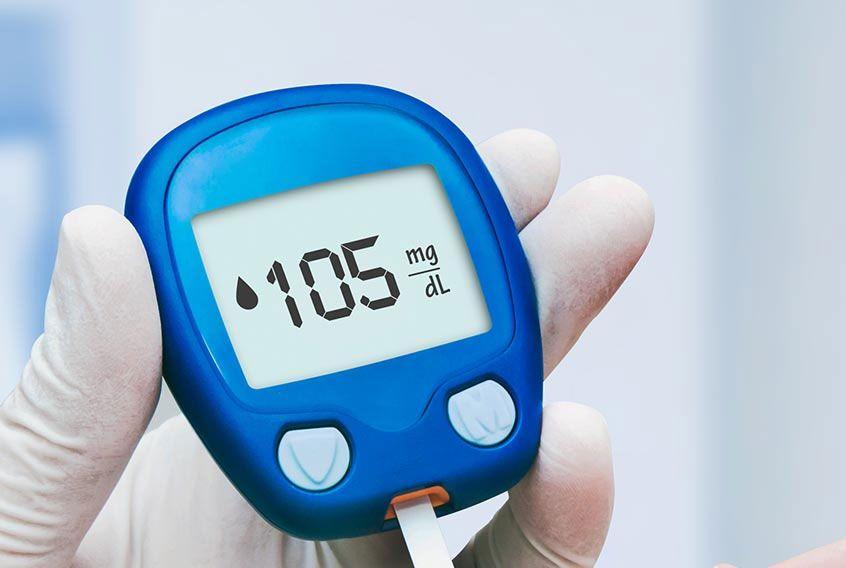
Before the introduction of insulin in 1922, patients often died during the course of their pregnancy. Twenty years ago it was not uncommon to deliver an unexplained stillbirth from a mother with type 1 diabetes mellitus. In an effort to prevent fetal death, deliveries were often performed early. Today, this tragedy is rare, and over the last decade associated perinatal morbidity and mortality have been reduced from 60% to less than 5%. With therapy beginning prior to conception and continuing throughout pregnancy, including nutrition therapy, insulin when necessary, and eventual antepartum fetal surveillance, there is a marked decline in overall morbidity and mortality. Two decades ago, most diabetics required prolonged hospitalization, but today the majority is managed with only brief hospitalizations. This is partly due to the technologic improvements in home reflectance glucose monitors and the beneficial impact they have had in management of the diabetic during pregnancy.
Currently, the major challenges of caring for diabetics in pregnancy are first, to enhance preconceptual glucose control and reduce the risk of associated congenital malformations, second to adequately screen pregnant women, and third, to detail the full impact of milder glucose elevations, not only on maternal risk for developing diabetes, but also on immediate and long-term consequences to the fetus/child.