What Are GLP-1 Drugs?
GLP-1 drugs, or glucagon-like peptide-1 receptor agonists, are a class of medications often used to manage type 2 diabetes. They help control blood sugar levels by enhancing insulin secretion, slowing digestion, and reducing appetite. These drugs mimic the action of a hormone called GLP-1, which is naturally produced in the gut. By activating the GLP-1 receptor, these medications can help improve blood sugar control and, in some cases, aid in weight loss.
Common GLP-1 drugs include exenatide, liraglutide, and semaglutide. They are typically administered via injection, though some newer options are available in pill form. The dosages and methods of administration vary, so it’s crucial to follow your healthcare provider's instructions. These medications can be an essential part of a diabetes treatment plan, especially for individuals struggling to manage their blood sugar with lifestyle changes and oral medications alone.
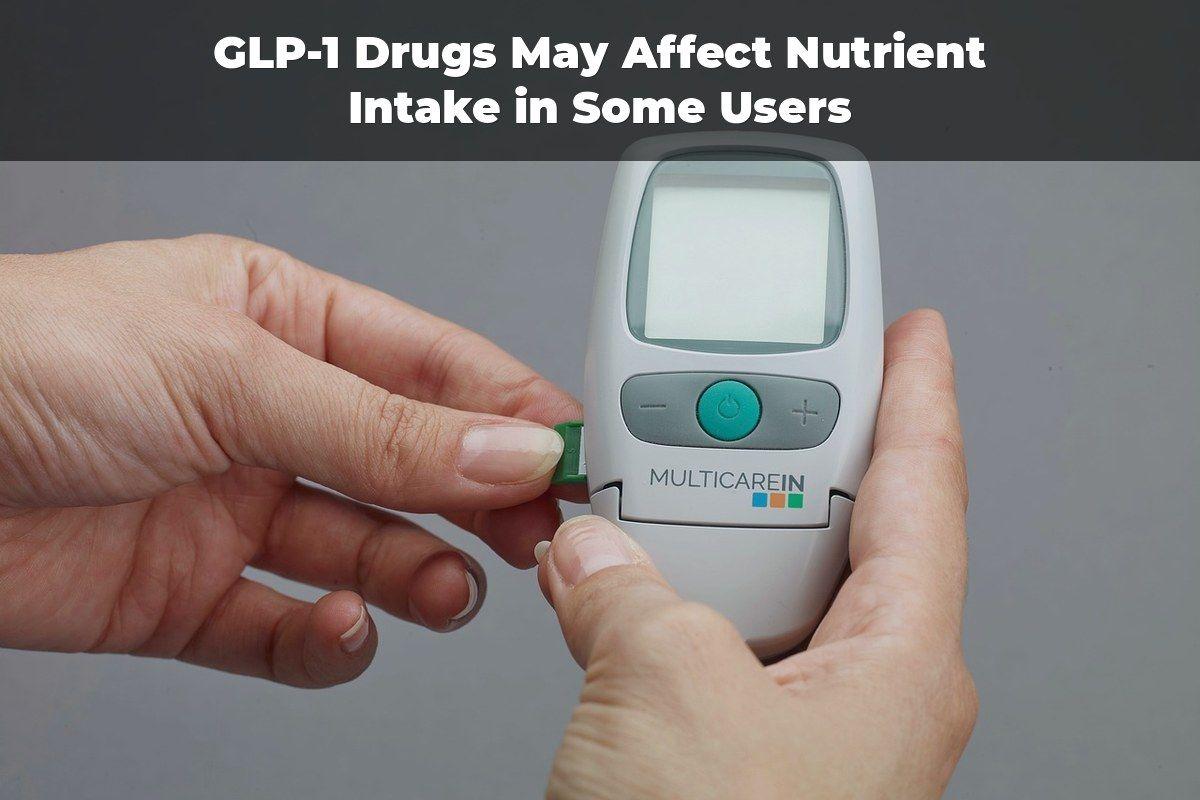
A recent report from Medical Xpress highlights a potential concern with GLP-1 drugs affecting nutrient intake in some users. While this is an emerging area of study, it underscores the importance of ongoing monitoring and communication with your healthcare provider. Understanding how these medications work and their potential effects on your overall health can help you make informed decisions about your diabetes care.
How Might GLP-1 Drugs Affect Nutrient Intake?
Early research suggests that GLP-1 drugs might influence how the body absorbs certain nutrients. By slowing digestion and reducing appetite, these medications may inadvertently lead to a decrease in the consumption of essential vitamins and minerals. This effect could be more pronounced in individuals who experience significant weight loss while using these drugs, as their overall food intake might decrease.
The potential impact on nutrient intake could include deficiencies in vitamins such as B12, calcium, or iron. These nutrients are crucial for various bodily functions, including nerve health, bone strength, and the production of red blood cells. If left unaddressed, deficiencies could lead to symptoms like fatigue, weakness, or even more severe health issues over time.
It’s important to note that not everyone using GLP-1 drugs will experience changes in nutrient intake. Individual responses can vary widely, depending on factors like diet, overall health, and how the body metabolizes the medication. Regular check-ups with your healthcare provider can help identify any potential nutrient deficiencies early, allowing for timely interventions.
What Should You Know About Monitoring Your Health While on GLP-1 Drugs?
Monitoring your health is essential when using GLP-1 drugs, especially if you're concerned about nutrient intake. Regular blood tests can help track your blood sugar levels and identify any deficiencies in key nutrients. These tests might include a complete blood count, vitamin B12 levels, and calcium and iron screenings. Your doctor can recommend the most appropriate tests based on your individual needs.
In addition to lab tests, paying attention to how you feel can offer valuable insights. If you notice symptoms such as unusual fatigue, dizziness, or tingling in your hands and feet, it might be worth discussing these with your healthcare provider. These symptoms could indicate a nutrient deficiency or another issue requiring attention.
Dietary adjustments may also help manage potential nutrient concerns. A balanced diet rich in whole foods like fruits, vegetables, lean proteins, and whole grains can support overall health. If needed, a registered dietitian or certified diabetes care and education specialist can provide personalized advice to ensure you are meeting your nutritional needs while on GLP-1 drugs.
How Can Lifestyle Changes Complement GLP-1 Drug Use?
Lifestyle changes are a cornerstone of diabetes management and can work well alongside GLP-1 drugs. Regular physical activity, such as walking, cycling, or swimming, can help maintain weight, improve insulin sensitivity, and enhance overall well-being. Aim for at least 150 minutes of moderate-intensity exercise per week, as recommended by health experts.
Healthy eating habits are equally important. Focus on a diet that includes a variety of nutrient-dense foods. Incorporating plenty of vegetables, fruits, whole grains, and lean proteins can help meet your nutritional needs and support blood sugar control. Portion control and mindful eating practices can also be beneficial, especially if you're using GLP-1 drugs that reduce appetite.
Stress management and adequate sleep are other critical components. Chronic stress and lack of sleep can affect blood sugar levels and overall health. Techniques such as meditation, deep breathing, or yoga can help manage stress. Aim for seven to nine hours of sleep per night to support your body's natural rhythms and promote overall health.
What Are the Potential Side Effects of GLP-1 Drugs?
Like any medication, GLP-1 drugs can cause side effects. Common ones include nausea, vomiting, diarrhea, and constipation. These symptoms are usually mild and may improve as your body adjusts to the medication. Eating smaller, more frequent meals and avoiding high-fat or fried foods can help reduce gastrointestinal discomfort.
Some individuals may experience more serious side effects, such as pancreatitis or gallbladder issues. Symptoms of pancreatitis include severe abdominal pain, nausea, vomiting, and fever. If you experience these symptoms, seek medical attention promptly. Gallbladder problems might present as upper abdominal pain, jaundice, or changes in stool color.
It's also essential to monitor for signs of low blood sugar (hypoglycemia), especially if you're using GLP-1 drugs alongside other diabetes medications. Symptoms of hypoglycemia include shakiness, sweating, confusion, and rapid heartbeat. Carrying a quick source of sugar, like glucose tablets or juice, can help manage low blood sugar episodes. Always discuss any side effects with your healthcare provider to determine the best course of action.
When Should You Seek Medical Help?
Knowing when to seek medical help is crucial for anyone taking GLP-1 drugs. If you experience severe side effects such as persistent nausea, vomiting, or abdominal pain, contact your healthcare provider. These could be signs of pancreatitis or other serious conditions that require immediate attention.
It's also important to seek help if you notice symptoms of severe nutrient deficiencies, such as extreme fatigue, dizziness, or neurological changes like tingling or numbness. These symptoms could indicate a need for further evaluation and possibly supplementation under a doctor's guidance.
In an emergency, such as experiencing very low blood sugar with confusion, fainting, or seizures, or very high blood sugar with vomiting, deep fast breathing, fruity-smelling breath, or extreme thirst, call 911. These could be signs of diabetic ketoacidosis or another life-threatening condition. Prompt medical intervention is essential to prevent complications and ensure your safety.
What Are the Next Steps for Managing Diabetes with GLP-1 Drugs?
Managing diabetes with GLP-1 drugs involves a combination of medication, lifestyle changes, and regular monitoring. Stay in close contact with your healthcare provider to ensure your treatment plan is working effectively. Regular check-ups can help catch any issues early and allow for adjustments as needed to optimize your health.
Consider working with a certified diabetes care and education specialist or a registered dietitian to tailor your eating plan and lifestyle habits to your specific needs. These professionals can provide valuable guidance on balancing nutrient intake and managing diabetes effectively while using GLP-1 drugs.
Lastly, stay informed about any new developments in diabetes care. As research continues to evolve, new findings and treatment options may become available. Being proactive and engaged in your care can empower you to make informed decisions and lead a healthier life with diabetes.
Source: GLP-1 weight-loss drugs linked to inadequate intake of key nutrients in some people (Medical Xpress)
This article is for general information only and is not medical advice. Always talk with your doctor or diabetes care team about your symptoms, blood sugar targets and treatment, and never change your medication or insulin without their advice. If you have signs of very low or very high blood sugar that do not improve, or you feel very unwell, call 911 or go to the nearest emergency room.