What Does the Recent Report Suggest About Type 1 Diabetes Scores in Overweight Youth?
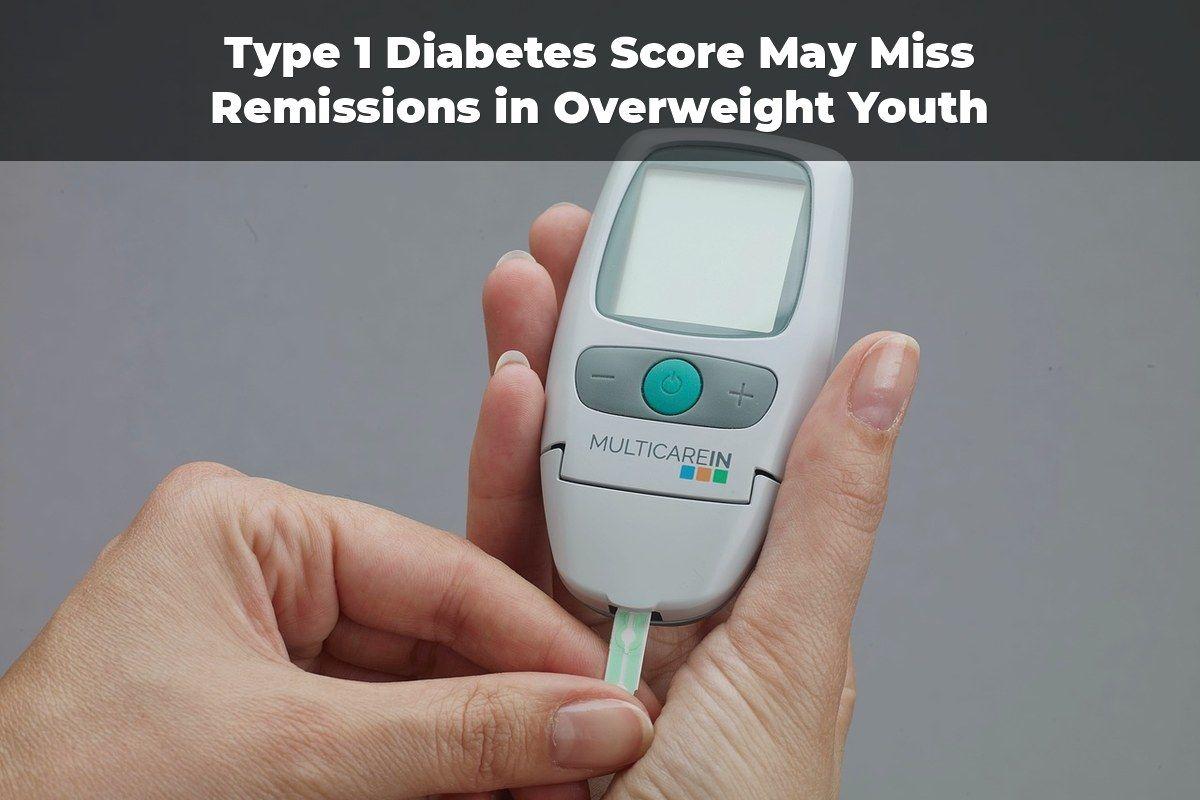
A recent report from Medical Xpress highlights an important issue in the management of type 1 diabetes in young people who are overweight or obese. According to the report's headline, a commonly used score to identify partial remissions in type 1 diabetes might miss more than half of these cases among this group. This finding raises questions about the effectiveness of current tools in capturing changes in diabetes management for youth with excess weight.
Understanding partial remission is crucial. In type 1 diabetes, partial remission refers to a "honeymoon period" where the body temporarily requires less insulin. This phase can lead to better blood sugar control and reduced complications. Missing these remissions means missing an opportunity to adjust treatment plans effectively. Early research suggests that the standard methods might not be as effective for all body types, highlighting the need for more tailored approaches.
For patients and families, these insights underline the importance of personalized diabetes management. If traditional scores aren't capturing changes accurately, it might be time to discuss alternative monitoring strategies with healthcare providers. This could involve more frequent testing or different metrics to ensure that treatment plans reflect the actual needs of the individual.
How Is Type 1 Diabetes Diagnosed and Monitored?
Type 1 diabetes is typically diagnosed through a combination of symptoms and blood tests. Symptoms like excessive thirst, frequent urination, weight loss, and fatigue often prompt initial investigations. Blood tests are used to confirm a diagnosis. These include measuring blood sugar levels and checking for antibodies that attack insulin-producing cells in the pancreas.
Once diagnosed, regular monitoring of blood sugar levels becomes a part of daily life. This usually involves using a glucometer to check blood sugar levels several times a day. Continuous glucose monitors (CGMs) are also an option, providing real-time blood sugar readings throughout the day and night. Monitoring is crucial for adjusting insulin doses and dietary choices, which help in maintaining blood sugar levels within target ranges.
In the context of overweight youth, accurate monitoring becomes even more important. If traditional scores may miss partial remissions, other indicators such as insulin sensitivity or changes in insulin requirements might provide additional insights. Regular consultations with a healthcare team can help determine the most effective monitoring strategy for each individual.
What Role Does Body Weight Play in Type 1 Diabetes Management?
While type 1 diabetes is not directly caused by body weight, being overweight can complicate its management. Excess weight may affect how the body uses insulin and can lead to insulin resistance. This means that the body needs more insulin to keep blood sugar levels in check, possibly masking partial remissions or making blood sugar control more challenging.
Body weight can also impact the risk of developing other health conditions, such as cardiovascular disease, which can complicate diabetes management. For young people with type 1 diabetes, focusing on healthy lifestyle choices can be beneficial. This includes maintaining a balanced diet, engaging in regular physical activity, and monitoring weight regularly with guidance from healthcare professionals.
Managing weight in a healthy way can improve insulin sensitivity and overall diabetes control. It's important for families to work closely with a diabetes care team to develop an individualized plan that considers nutritional needs, physical activity levels, and any other medical concerns. These steps can support both diabetes management and general well-being.
What Are the Treatment Options for Type 1 Diabetes?
The primary treatment for type 1 diabetes is insulin therapy. This involves administering insulin through injections or an insulin pump to help manage blood sugar levels. The type and amount of insulin required can vary based on factors like age, activity level, and overall health, and should be determined by a healthcare provider.
In addition to insulin, lifestyle factors play a significant role in managing type 1 diabetes. Eating a balanced diet that focuses on whole grains, lean proteins, and plenty of fruits and vegetables can help keep blood sugar levels stable. Counting carbohydrates and understanding how different foods affect blood sugar are key skills for managing diabetes.
Regular physical activity is another crucial component. Exercise can help lower blood sugar levels, improve insulin sensitivity, and contribute to overall health. It's important to work with a healthcare team to create a safe and effective exercise plan. Adjustments in insulin and diet may be necessary around exercise to prevent low blood sugar levels.
How Can Parents Support Their Child with Type 1 Diabetes?
Supporting a child with type 1 diabetes involves a combination of education, encouragement, and practical strategies. First, understanding the basics of diabetes management is key. Parents should learn about blood sugar monitoring, insulin administration, and the importance of diet and exercise. Taking part in diabetes education classes or support groups can be incredibly helpful.
Encouragement and emotional support are just as important. Living with diabetes can be challenging, and children may experience a range of emotions. Parents can foster a positive attitude by focusing on what their child can do, rather than limitations. Celebrating small victories, like hitting blood sugar targets, can boost confidence and motivation.
Practical strategies include organizing a structured daily routine that includes regular meal and snack times, as well as ensuring that the child has access to necessary supplies like insulin and glucose meters. Open communication with school staff and other caregivers is also essential to ensure consistent diabetes management in different settings.
When Should You Seek Medical Help for Type 1 Diabetes?
Knowing when to seek medical help is vital for managing type 1 diabetes effectively. Regular check-ups with a healthcare provider are important for monitoring and adjusting treatment plans. However, there are certain situations where immediate medical attention is necessary.
If a person with type 1 diabetes experiences very low blood sugar levels, known as hypoglycemia, symptoms can include confusion, fainting, or seizures. If blood sugar levels drop significantly, consuming fast-acting carbohydrates such as glucose tablets or juice is critical. However, if the person is unconscious or having a seizure, it's important to call 911 immediately.
On the other hand, very high blood sugar levels, or hyperglycemia, can lead to diabetic ketoacidosis (DKA), a serious condition that requires emergency care. Symptoms of DKA include vomiting, deep and fast breathing, fruity-smelling breath, and extreme thirst. If these symptoms occur, seek emergency medical attention right away.
How Can Type 1 Diabetes Complications Be Prevented?
Preventing complications in type 1 diabetes involves maintaining consistent blood sugar control and addressing other health factors. Keeping blood sugar levels within target ranges helps reduce the risk of complications such as eye, kidney, and nerve damage. Regular monitoring and adjustments to insulin and diet are key components of this strategy.
In addition to blood sugar control, managing blood pressure and cholesterol levels is important for preventing complications. These factors can increase the risk of cardiovascular disease, which is a concern for people with diabetes. Regular check-ups with a healthcare provider can help monitor these health indicators and provide guidance on any necessary interventions.
Lifestyle choices also play a significant role in prevention. A balanced diet, regular physical activity, and avoiding smoking and excessive alcohol consumption contribute to overall health and reduce the risk of complications. Education and support from a diabetes care team can empower individuals to make informed decisions about their health and well-being.
Source: Common type 1 diabetes score misses over half of partial remissions in youth with overweight or obesity (Medical Xpress)
This article is for general information only and is not medical advice. Always talk with your doctor or diabetes care team about your symptoms, blood sugar targets and treatment, and never change your medication or insulin without their advice. If you have signs of very low or very high blood sugar that do not improve, or you feel very unwell, call 911 or go to the nearest emergency room.