What Is Insulin Resistance and How Does It Affect the Body?
Insulin resistance is when the body's cells don't respond well to insulin, a hormone that helps glucose enter the cells for energy. When this happens, the pancreas makes more insulin to help glucose get into the cells. Over time, the pancreas may struggle to keep up, leading to higher blood sugar levels. This can eventually result in type 2 diabetes if not managed properly. Insulin resistance is often a silent condition, meaning you may not experience symptoms at first. However, it is important to be aware of this condition, especially if you have risk factors like being overweight or having a family history of diabetes.
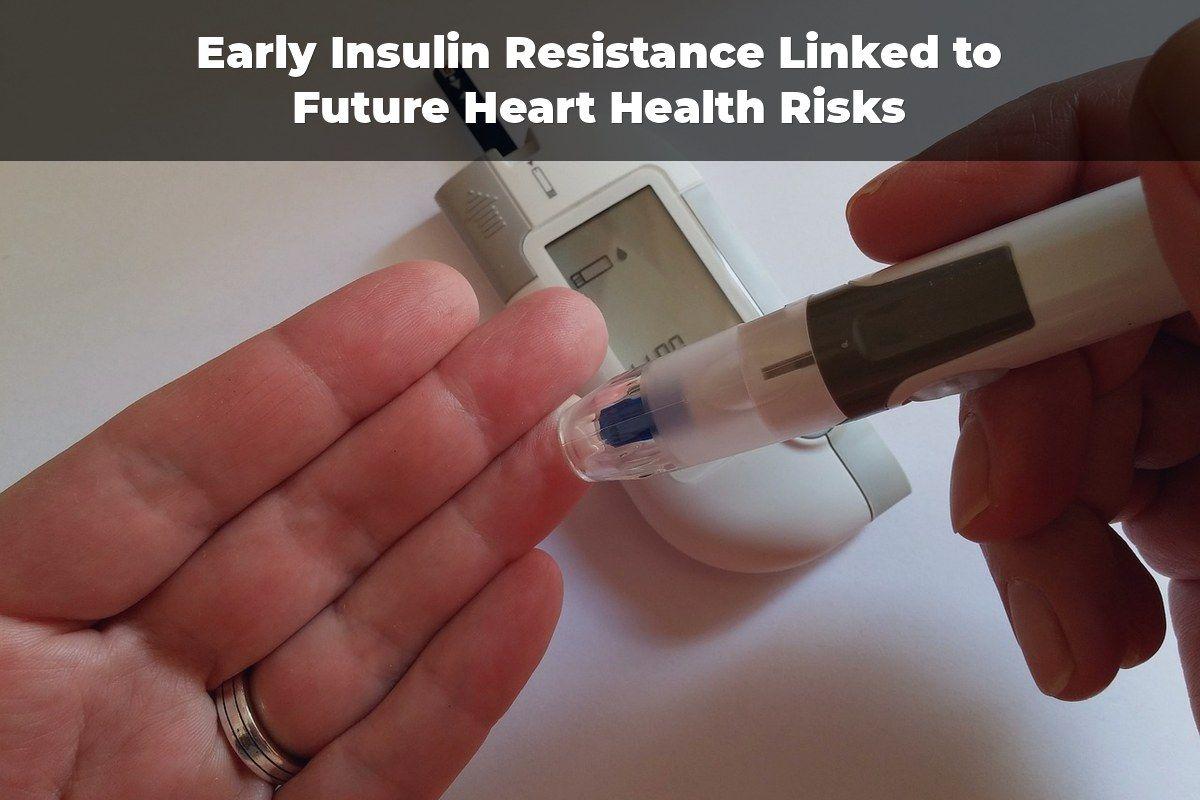
The recent report from MedPage Today highlights the potential link between insulin resistance by age 30 and future heart health risks. Early research suggests that understanding insulin resistance can be crucial for preventing heart-related issues later in life. While more studies are needed to confirm these findings, it is clear that managing insulin resistance early on can make a big difference in your overall health.
In addition to increasing the risk of developing type 2 diabetes, insulin resistance can also contribute to other health issues, such as high blood pressure and abnormal cholesterol levels. These factors are part of metabolic syndrome, which raises the risk of heart disease and stroke. Understanding insulin resistance and its potential impact on your heart health can empower you to take proactive steps in managing your health.
What Are the Risk Factors for Insulin Resistance?
Several factors can increase the risk of developing insulin resistance. These include being overweight, especially with excess fat around the abdomen. The more fatty tissue you have, the more resistant your cells become to insulin. A sedentary lifestyle is another significant risk factor. Regular physical activity helps your body use insulin more efficiently, so staying active is key to reducing insulin resistance.
Genetics also play a role, as having a family history of type 2 diabetes can increase your risk. Age is another factor; insulin resistance tends to increase as you get older. However, lifestyle choices can significantly impact your risk at any age. Making healthy choices can help manage insulin resistance and prevent it from leading to further complications.
Diet also affects your risk of developing insulin resistance. A diet high in processed foods, sugars, and unhealthy fats can lead to weight gain and insulin resistance. On the other hand, a diet rich in whole grains, lean proteins, and healthy fats can help maintain a healthy weight and improve insulin sensitivity. Understanding these risk factors can guide you in making informed decisions about your lifestyle and health.
How Does Insulin Resistance Relate to Heart Health?
Insulin resistance is closely linked to heart health. When your body has high insulin levels, it can lead to changes in your blood vessels. Over time, this can cause the walls of your arteries to become thicker, contributing to high blood pressure and increasing the risk of heart disease. Additionally, insulin resistance often accompanies other conditions like high cholesterol and high blood sugar, which are also risk factors for heart disease.
The connection between insulin resistance and cardiovascular health is an area of active research. While the recent report from MedPage Today suggests a link between early insulin resistance and future heart health risks, it is important to remember that managing insulin resistance can improve heart health outcomes. By addressing insulin resistance, you can reduce your risk of developing heart disease.
Lifestyle changes are crucial in managing insulin resistance and protecting your heart health. Regular physical activity, a balanced diet, and maintaining a healthy weight are essential steps. If you have insulin resistance, monitoring your blood pressure and cholesterol levels is important. These actions can reduce your risk of heart disease and improve your overall health.
What Lifestyle Changes Can Help Manage Insulin Resistance?
Managing insulin resistance involves making lifestyle changes that promote healthy insulin levels. Regular physical activity is one of the most effective ways to improve insulin sensitivity. Aim for at least 150 minutes of moderate exercise each week, such as brisk walking, swimming, or cycling. Strength training exercises can also be beneficial in building muscle, which helps your body use insulin more effectively.
Dietary changes can also play a significant role in managing insulin resistance. Focus on a balanced diet rich in whole grains, vegetables, fruits, lean proteins, and healthy fats. Avoid processed foods and sugary drinks, which can contribute to weight gain and worsen insulin resistance. Portion control and mindful eating can also help you maintain a healthy weight and manage your blood sugar levels.
Stress management is another important aspect. Chronic stress can affect insulin sensitivity and blood sugar levels. Practices like meditation, yoga, or deep breathing exercises can help reduce stress. Adequate sleep is also essential, as poor sleep patterns can negatively impact insulin sensitivity. Aim for 7 to 9 hours of quality sleep each night to support your overall health.
When Should You Seek Medical Help for Insulin Resistance?
It's important to seek medical help if you suspect you have insulin resistance, especially if you have risk factors like obesity or a family history of diabetes. Regular check-ups with your doctor can help monitor your blood sugar levels and detect insulin resistance early. If you're experiencing symptoms like increased thirst, frequent urination, or unexplained fatigue, these could be signs of high blood sugar, and you should consult your doctor.
In certain situations, immediate medical attention is necessary. If you experience symptoms of extremely high blood sugar, such as vomiting, deep and fast breathing, fruity-smelling breath, or extreme thirst, these could indicate diabetic ketoacidosis, a serious condition that requires urgent care. If you experience chest pain, shortness of breath, or signs of a stroke like sudden weakness or difficulty speaking, call 911 immediately. These symptoms can signal a medical emergency.
Regular communication with your healthcare provider is key in managing insulin resistance. Your doctor can offer guidance on lifestyle changes, medications if needed, and ongoing monitoring. Never hesitate to reach out to your healthcare team with any concerns or questions about your health.
What Are the Treatment Options for Insulin Resistance?
Treatment for insulin resistance often starts with lifestyle modifications. As mentioned earlier, regular exercise and a balanced diet are crucial. In some cases, your doctor may recommend medications to help manage blood sugar levels. Metformin is a common medication used to improve insulin sensitivity. However, medication decisions should always be made in consultation with your doctor, as they can guide you based on your individual health needs.
For some people, insulin therapy may be necessary if lifestyle changes and medications are not enough to control blood sugar levels. Insulin therapy helps manage blood sugar, but it's essential to work with your healthcare team to determine the right approach for you. They can help you understand how to use insulin effectively and monitor your blood sugar levels.
In addition to lifestyle changes and medications, regular monitoring of your blood sugar levels is important. This helps track how your body is responding to treatment and allows you to make necessary adjustments. Your doctor can help you set personalized blood sugar targets and develop a monitoring plan tailored to your needs.
How Can You Prevent Insulin Resistance and Its Complications?
Preventing insulin resistance involves making healthy lifestyle choices that promote overall wellness. Maintaining a healthy weight is one of the most effective ways to prevent insulin resistance. Regular physical activity and a balanced diet are key components of weight management. By staying active and eating healthily, you can reduce your risk of developing insulin resistance and its complications.
Monitoring your blood sugar levels, blood pressure, and cholesterol is also important. Regular check-ups with your doctor can help catch any changes early, allowing you to take action before complications arise. This proactive approach can prevent insulin resistance from progressing to type 2 diabetes and reduce the risk of heart disease.
Education and awareness are also crucial. Understanding the risk factors and potential complications of insulin resistance empowers you to make informed decisions about your health. By staying informed and working closely with your healthcare team, you can effectively manage and prevent insulin resistance and its associated health risks.
Source: Insulin Resistance by Age 30 Quite Telling of Future Heart Health (MedPage Today)
This article is for general information only and is not medical advice. Always talk with your doctor or diabetes care team about your symptoms, blood sugar targets and treatment, and never change your medication or insulin without their advice. If you have signs of very low or very high blood sugar that do not improve, or you feel very unwell, call 911 or go to the nearest emergency room.