What Does the Recent Report Reveal About Diabetic Retinopathy Awareness?
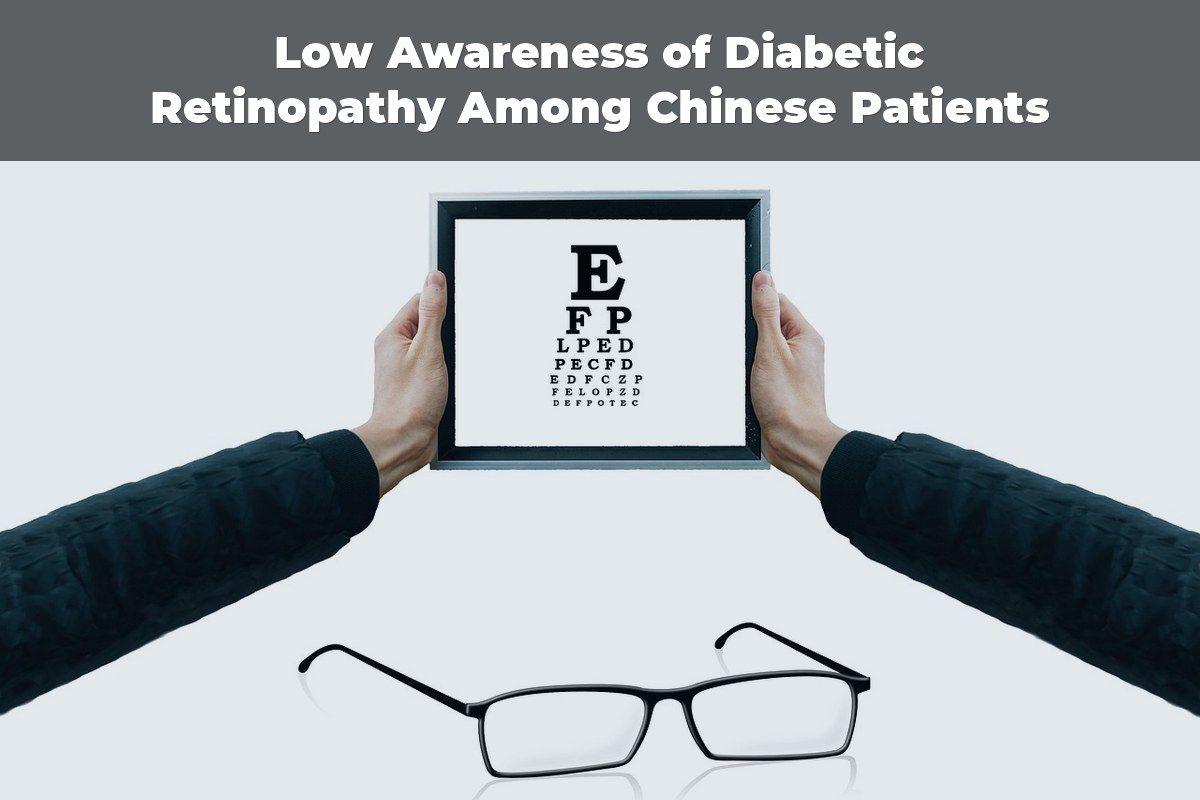
A recent report from Bioengineer.org highlights that diabetic patients in China exhibit low awareness of diabetic retinopathy, despite having positive attitudes towards managing their health. This suggests a gap between understanding the seriousness of potential complications and the willingness to maintain health. While this report focuses on China, it raises important questions about awareness levels globally, including in the United States.
Diabetic retinopathy is a condition that affects the eyes and is a common complication of diabetes. It occurs when high blood sugar levels cause damage to the blood vessels in the retina, the light-sensitive tissue at the back of the eye. Early detection and treatment are crucial, as diabetic retinopathy can lead to vision loss if left untreated. Despite the serious nature of this complication, awareness and understanding of it remain low among many diabetic patients worldwide.
The findings from the report underscore the need for increased education and awareness about diabetic retinopathy. Understanding the risks and symptoms of this condition can empower patients to seek early screening and treatment. This is a crucial step in preventing long-term complications and maintaining quality of life. Let's delve deeper into what diabetic retinopathy is and how it can be managed and prevented.
What Is Diabetic Retinopathy and How Does It Develop?
Diabetic retinopathy is a complication of diabetes that affects the eyes. It is caused by damage to the blood vessels of the retina, which can result in vision impairment and, in severe cases, blindness. High blood sugar levels over time can weaken and damage the small blood vessels in the retina. This can lead to leakage or bleeding, which distorts vision.
There are two main stages of diabetic retinopathy: non-proliferative and proliferative. Non-proliferative diabetic retinopathy (NPDR) is the early stage, where blood vessels may become swollen and leak fluid. As the condition progresses, it can advance to proliferative diabetic retinopathy (PDR), where new, abnormal blood vessels grow on the retina. These new vessels are fragile and can bleed into the vitreous, the gel-like fluid in the eye, potentially leading to severe vision loss.
The progression from NPDR to PDR can vary among individuals, influenced by factors such as blood sugar control, blood pressure, and cholesterol levels. It's essential for patients with diabetes to have regular comprehensive eye exams to detect any signs of retinopathy early. Early intervention can significantly reduce the risk of vision loss and improve outcomes.
What Are the Symptoms and Risk Factors of Diabetic Retinopathy?
Diabetic retinopathy often has no symptoms in its early stages, making regular eye exams vital for early detection. As the condition progresses, symptoms may include blurred vision, dark spots or floaters in the vision, and difficulty seeing colors. In more advanced cases, patients may experience vision loss or blindness.
Several risk factors increase the likelihood of developing diabetic retinopathy. Poor blood sugar control is the most significant factor, as prolonged high blood sugar levels can damage the retinal blood vessels. High blood pressure and high cholesterol levels can also contribute to the development and progression of retinopathy. Additionally, the longer a person has diabetes, the greater their risk of developing this eye condition.
Pregnant women with diabetes should also be aware of the increased risk of retinopathy during pregnancy. It's important for them to have their eyes checked early in the pregnancy and to follow their doctor's recommendations for monitoring and managing their condition throughout.
How Can Diabetic Retinopathy Be Prevented?
Preventing diabetic retinopathy involves managing diabetes effectively and maintaining overall health. The most crucial step is keeping blood sugar levels within target ranges. This can be achieved through a combination of medication, lifestyle changes, and regular monitoring of blood glucose levels. Working closely with a healthcare team can help set personalized blood sugar targets.
In addition to blood sugar control, managing blood pressure and cholesterol levels is essential. Regular exercise, a balanced diet, and, if necessary, medications can help achieve these goals. Quitting smoking is also important, as smoking can worsen blood vessel damage and increase the risk of complications.
Regular eye exams are a critical component of prevention. The American Diabetes Association recommends that adults with diabetes have a comprehensive dilated eye exam at least once a year. Early detection of retinopathy allows for timely treatment, which can prevent or delay vision loss. Patients should discuss their risk factors and screening schedule with their healthcare provider.
What Are the Treatment Options for Diabetic Retinopathy?
Treatment for diabetic retinopathy depends on the stage and severity of the condition. In the early stages of non-proliferative diabetic retinopathy, maintaining good blood sugar control may be sufficient to slow progression. However, as the condition advances, more active interventions may be necessary.
For more severe cases, treatments may include laser therapy, injections, or surgery. Laser treatment, known as laser photocoagulation, is often used to seal leaking blood vessels or to shrink abnormal vessels. Anti-VEGF injections can help reduce swelling and inhibit the growth of new blood vessels. In cases of significant bleeding or retinal detachment, a surgical procedure called vitrectomy may be required to restore vision.
It's crucial for patients to work closely with their eye doctor and diabetes care team to determine the most appropriate treatment plan. Regular follow-up appointments are necessary to monitor the condition and adjust the treatment as needed. Timely intervention can help preserve vision and improve quality of life.
When Should You Seek Immediate Medical Attention?
While managing diabetic retinopathy is generally a long-term process, there are certain signs and symptoms that require immediate medical attention. If you experience sudden changes in vision, such as a rapid increase in floaters, flashes of light, or a shadow or curtain over part of your vision, seek urgent care. These symptoms may indicate a retinal detachment or bleeding, which requires prompt treatment to prevent permanent vision loss.
In addition to eye-related symptoms, other diabetes-related emergencies warrant immediate attention. If you experience symptoms of very low blood sugar, such as confusion, fainting, or seizures, it's important to seek help right away. Similarly, signs of very high blood sugar, such as vomiting, deep and rapid breathing, fruity-smelling breath, or extreme thirst, may indicate diabetic ketoacidosis, a serious condition that requires emergency care.
For any of these urgent situations, call 911 or go to the nearest emergency room. Quick action can make a significant difference in the outcome. It's important to have a plan in place for managing emergencies and to ensure that family members or friends are aware of what to do in such situations.
How Can Increased Awareness Improve Outcomes for Patients?
Increasing awareness of diabetic retinopathy can lead to better outcomes for patients by encouraging early detection and treatment. Education initiatives can help patients understand the risks associated with diabetes and the importance of regular eye exams. By fostering a proactive approach to eye health, patients can take steps to prevent or minimize vision loss.
Healthcare providers play a key role in increasing awareness. They can provide education and resources during regular check-ups, emphasizing the importance of comprehensive eye exams and good diabetes management. Community outreach programs and support groups can also be valuable in spreading information and encouraging patients to take charge of their health.
Ultimately, increased awareness can empower patients to make informed decisions about their care. By understanding the potential complications of diabetes, including diabetic retinopathy, patients can work with their healthcare teams to develop personalized plans for monitoring and managing their condition. This proactive approach can lead to improved quality of life and better long-term health outcomes.
Source: Diabetic Patients in China Show Low Retinopathy Knowledge Despite Positive Attitudes (Bioengineer.org)
This article is for general information only and is not medical advice. Always talk with your doctor or diabetes care team about your symptoms, blood sugar targets and treatment, and never change your medication or insulin without their advice. If you have signs of very low or very high blood sugar that do not improve, or you feel very unwell, call 911 or go to the nearest emergency room.