What Does the Recent Report About Youth in Imperial Valley Say?
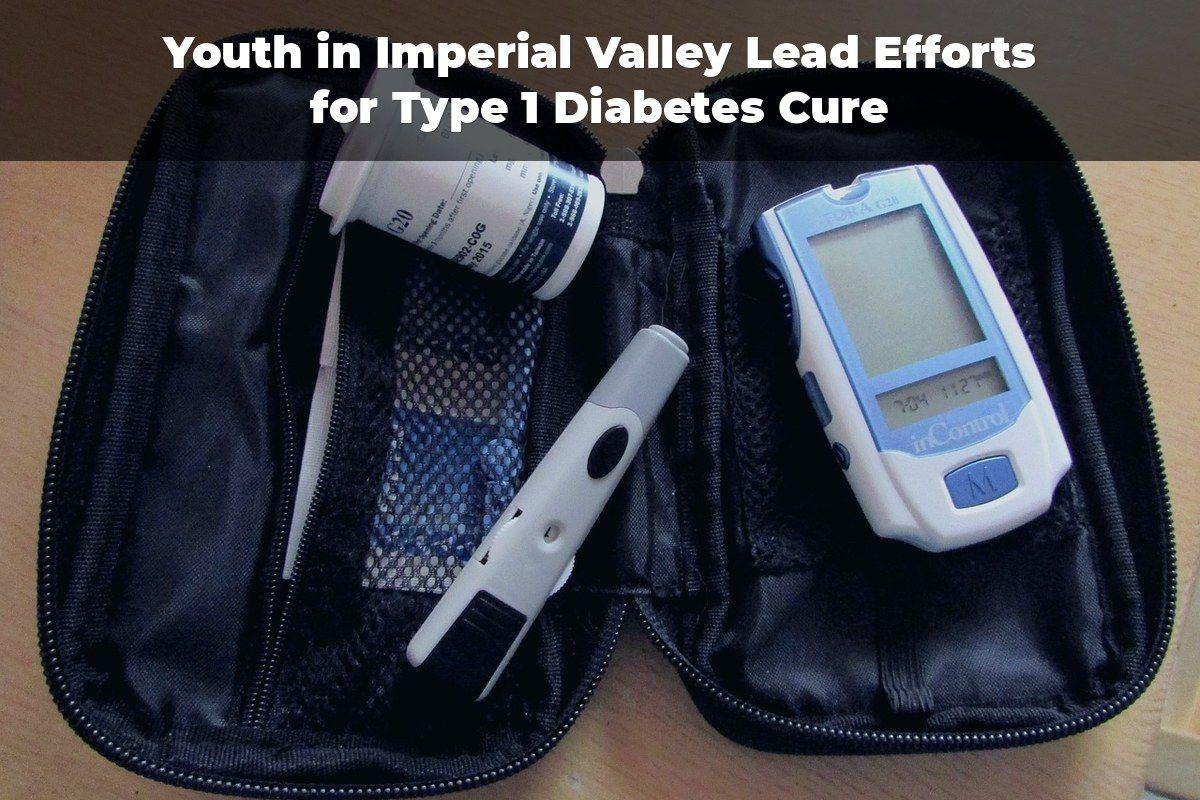
A recent report from KYMA highlights youth in Imperial Valley leading efforts toward finding a cure for type 1 diabetes. This news is inspiring, especially for the diabetes community. It's a reminder that young people can play a vital role in advancing research and raising awareness. Youth involvement in such significant health issues brings fresh perspectives and renewed energy.
While the report sheds light on these efforts, it's important to understand what type 1 diabetes is. Type 1 diabetes is an autoimmune condition where the body's immune system attacks insulin-producing cells in the pancreas. This leads to a lifetime need for insulin, either through injections or an insulin pump. Managing type 1 diabetes requires constant attention to blood sugar levels, diet, and lifestyle choices.
The involvement of youth in researching a cure is hopeful. Although there is no cure yet, research is ongoing. Early research suggests various promising approaches, such as immunotherapy and beta-cell regeneration. As these young leaders continue their work, it offers hope to many living with type 1 diabetes.
Why Is Blood Sugar Monitoring Essential for Type 1 Diabetes?
Monitoring blood sugar is crucial for managing type 1 diabetes. It helps you understand how different foods, activities, and medications affect your glucose levels. Consistent monitoring allows for better decision-making about insulin doses and lifestyle choices. This can help prevent both short-term and long-term complications.
Regular blood sugar checks can help you avoid dangerous levels, whether too high or too low. High blood sugar, or hyperglycemia, can lead to serious issues over time, like nerve damage or heart disease. On the other hand, low blood sugar, or hypoglycemia, can cause immediate problems like confusion or fainting. Monitoring helps you maintain a balance.
Modern technology has made blood sugar monitoring more accessible. Continuous glucose monitors (CGMs) can provide real-time data and alerts for highs and lows. Talk to your diabetes care team about which monitoring options might be best for you. Regular checks, combined with a healthy lifestyle, are key to managing type 1 diabetes effectively.
How Can Lifestyle Choices Impact Type 1 Diabetes Management?
Lifestyle choices play a significant role in managing type 1 diabetes. Physical activity, for instance, can help regulate blood sugar levels and improve overall health. Exercise can also increase your body's sensitivity to insulin, making it work more effectively. Aim for at least 150 minutes of moderate-intensity exercise each week, but consult your doctor to tailor a plan that suits your needs.
Diet is another crucial aspect. While there is no one-size-fits-all eating plan, balancing carbohydrates, proteins, and fats is important. Carbs have the most significant impact on blood sugar, so counting carbs can help manage glucose levels. Talk with a registered dietitian who specializes in diabetes to create a personalized eating plan.
Stress management is often overlooked but is equally important. Stress can cause blood sugar levels to rise. Techniques like meditation, deep breathing, and yoga can help reduce stress. Finding what works for you can make managing type 1 diabetes more manageable and less overwhelming.
What Are the Treatment Options for Type 1 Diabetes?
Treating type 1 diabetes involves a combination of insulin therapy, lifestyle changes, and sometimes other medications. Insulin is essential because the body no longer produces it. The type and amount of insulin vary depending on individual needs. Options include rapid-acting, long-acting, and intermediate-acting insulin. Discuss with your healthcare provider what suits you best.
In addition to insulin, some people may benefit from medications that help manage blood sugar levels. While insulin is the cornerstone, newer medications can assist in controlling glucose levels or reducing the risk of complications. Always consult your doctor before starting or stopping any medication.
Lifestyle changes complement insulin therapy. Regular exercise, a balanced diet, and stress management are crucial. These lifestyle choices can make insulin more effective and improve overall health. A comprehensive approach to treatment can make living with type 1 diabetes more manageable and improve quality of life.
When Should You Seek Medical Help?
Knowing when to seek medical help is crucial for anyone with type 1 diabetes. Certain symptoms or situations require immediate medical attention. If you experience very low blood sugar symptoms like confusion, fainting, or seizures, seek help right away. These can be signs of severe hypoglycemia, which can be life-threatening.
High blood sugar can also be dangerous. Symptoms like vomiting, deep fast breathing, fruity-smelling breath, or extreme thirst may indicate diabetic ketoacidosis (DKA). DKA is a serious complication that requires urgent care. If you experience these symptoms, contact your healthcare provider or go to the emergency room immediately.
In some cases, chest pain or signs of a stroke, like sudden weakness on one side of the body, require calling 911. Being aware of these symptoms can help you act quickly, reducing the risk of severe complications. Keep emergency contact information easily accessible and discuss an action plan with your healthcare team.
How Can Community Efforts Help in Finding a Cure?
Community efforts are vital in the search for a cure for type 1 diabetes. Awareness campaigns, fundraising events, and advocacy can drive research forward. By participating in local or national diabetes organizations, you can help raise funds and awareness. These organizations often support research initiatives and provide resources for people living with diabetes.
Young people, like those in Imperial Valley, bring fresh energy and perspectives. Their involvement can inspire others to join the cause, creating a ripple effect. Community support can also offer emotional and practical resources for families affected by diabetes. Connecting with others in the diabetes community can provide valuable support and a sense of belonging.
Advocacy can also play a role in policy changes, which can lead to increased funding for diabetes research. By staying informed and involved, you can contribute to these efforts. Every contribution, no matter how small, can make a difference in the search for a cure.
What Does the Future Hold for Type 1 Diabetes?
The future of type 1 diabetes management and research is promising. Advances in technology, like artificial pancreas systems, offer new ways to manage blood sugar levels. These systems automatically adjust insulin delivery based on glucose readings, making day-to-day management easier. While still in development, they represent a significant step forward.
Research into a cure continues, with promising avenues like immunotherapy and stem cell research. These approaches aim to restore insulin production or protect insulin-producing cells from immune attack. While research is ongoing, these developments offer hope for the future.
Until a cure is found, managing type 1 diabetes effectively is possible with the right tools and support. Stay informed about new developments and maintain open communication with your healthcare team. With continued research and community efforts, the future for those living with type 1 diabetes looks brighter.
Source: Imperial Valley youth lead the fight for a Type 1 Diabetes cure (KYMA)
This article is for general information only and is not medical advice. Always talk with your doctor or diabetes care team about your symptoms, blood sugar targets and treatment, and never change your medication or insulin without their advice. If you have signs of very low or very high blood sugar that do not improve, or you feel very unwell, call 911 or go to the nearest emergency room.