How Is Type 2 Diabetes Linked to Alzheimer’s Disease?
A recent report from UA.NEWS highlights a study that reviewed 40 studies and found a link between type 2 diabetes and a 53% higher risk of Alzheimer’s disease. This connection might sound alarming, but it's important to understand what it means and how it could affect you if you are living with diabetes or prediabetes. Early research suggests that managing diabetes effectively might reduce the risk of developing Alzheimer’s, but it is important to follow established medical advice and discuss any concerns with your healthcare team.
Alzheimer’s disease is a progressive neurological disorder that affects memory, thinking, and behavior. The exact cause of Alzheimer’s is not fully understood, but it is believed to involve a combination of genetic, environmental, and lifestyle factors. Type 2 diabetes is a condition where the body becomes resistant to insulin or doesn’t produce enough of it, leading to elevated blood glucose levels. High blood sugar levels can damage blood vessels and nerves, potentially contributing to the development of Alzheimer’s.
The link between type 2 diabetes and Alzheimer’s is an area of growing research. Some scientists believe that insulin resistance in the brain may lead to cognitive decline. Others suggest that the inflammation and oxidative stress associated with diabetes might play a role in the development of Alzheimer’s. While the connection is complex, it emphasizes the importance of managing blood sugar levels, eating a healthy diet, and maintaining an active lifestyle as part of diabetes management.
What Can You Do to Lower Your Risk?
If you have type 2 diabetes, there are several steps you can take to potentially lower your risk of Alzheimer’s disease. First, work with your healthcare team to maintain your blood sugar within target levels. Regular monitoring and adjusting your diabetes management plan as needed can help keep your blood sugar stable. This may involve checking your blood glucose levels at home, attending regular medical appointments, and possibly adjusting medications with your doctor's guidance.
Adopting a healthy lifestyle is another important step. Eating a balanced diet rich in fruits, vegetables, whole grains, and lean proteins can help manage diabetes and support overall brain health. The Mediterranean diet, which emphasizes these foods, has been linked to a lower risk of cognitive decline. Additionally, maintaining a healthy weight can improve insulin sensitivity and reduce the risk of complications from diabetes.
Physical activity is also crucial for lowering your risk. Aim for at least 150 minutes of moderate-intensity exercise each week, such as brisk walking, swimming, or cycling. Exercise helps lower blood sugar levels, improves circulation, and boosts overall well-being. It may also have direct benefits for brain health, as it can enhance cognitive function and reduce the risk of Alzheimer’s disease.
Why Is Blood Sugar Monitoring Important?
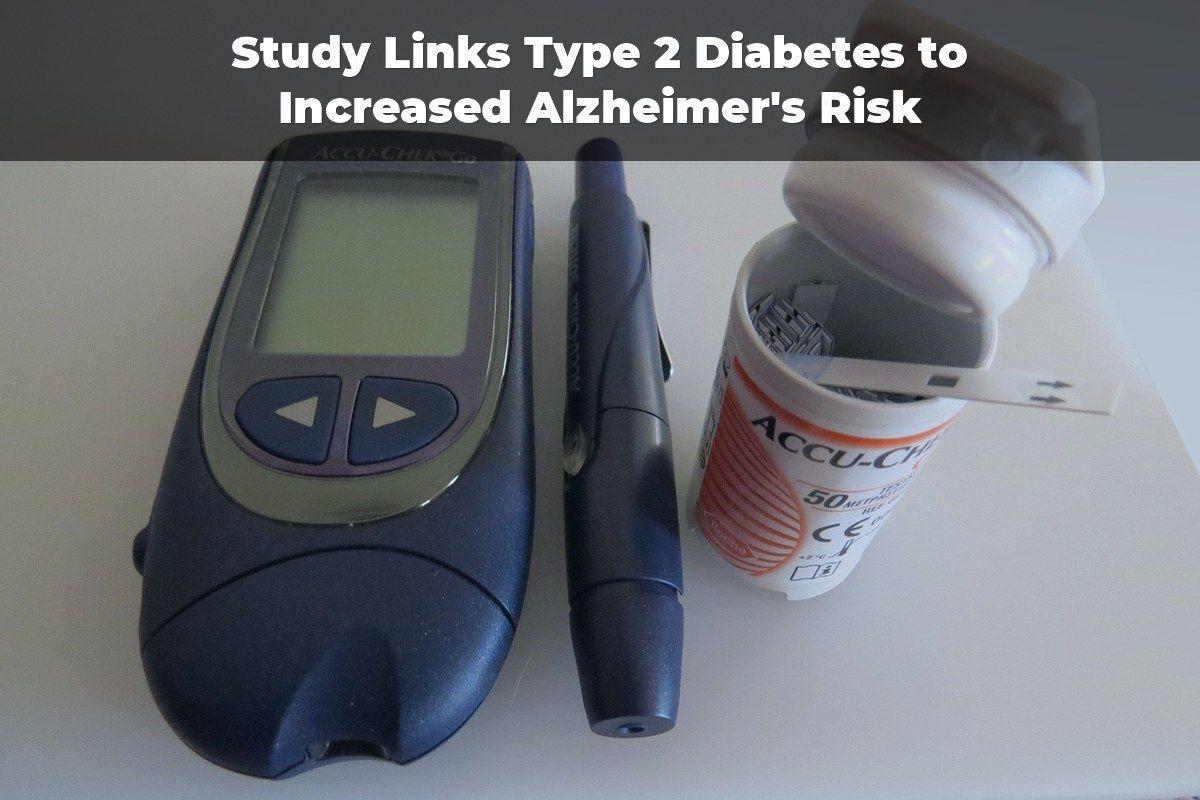
Monitoring your blood sugar is a key part of managing type 2 diabetes and potentially reducing your risk of Alzheimer’s. Keeping your blood glucose levels within a target range helps prevent complications, both short-term and long-term. It can also help you understand how different foods, activities, and stress levels affect your diabetes, allowing you to make informed decisions about your lifestyle and treatment plan.
Regular blood sugar monitoring can alert you to high or low blood sugar episodes, which can have immediate health consequences. High blood sugar (hyperglycemia) over time can damage blood vessels and nerves, which may contribute to both diabetes complications and neurological issues. On the other hand, low blood sugar (hypoglycemia) can cause confusion, dizziness, and even loss of consciousness if not treated promptly.
Your healthcare provider can help you determine how often you should check your blood sugar and what your target ranges should be. They may recommend using a glucose meter or continuous glucose monitor (CGM) to track your levels. The information you gather can be used to adjust your eating plan, physical activity, and medication regimen in consultation with your diabetes care team.
What Lifestyle Changes Can Support Brain Health?
In addition to managing blood sugar, certain lifestyle changes can support brain health and potentially reduce the risk of Alzheimer’s. One of the most significant factors is diet. Consuming a variety of nutrient-rich foods can support both diabetes management and cognitive health. Focus on foods high in antioxidants, such as berries and leafy greens, which combat oxidative stress and inflammation in the brain.
Staying mentally active is also beneficial for brain health. Engage in activities that challenge your mind, such as puzzles, reading, or learning new skills. Social engagement is another important aspect of cognitive health. Maintaining strong social connections through family, friends, or community activities can help keep your mind sharp and reduce the risk of cognitive decline.
Managing stress effectively is crucial for both diabetes management and brain health. Chronic stress can negatively affect your blood sugar levels and overall health. Techniques such as deep breathing, meditation, and yoga can help lower stress and improve mental well-being. Ensuring you get adequate sleep is also important, as poor sleep quality can impact both blood sugar control and cognitive function.
When Should You Seek Medical Help?
Understanding when to seek medical help is vital for managing diabetes safely and effectively. If you experience symptoms of very high blood sugar, such as extreme thirst, frequent urination, nausea, vomiting, or deep, rapid breathing, it may indicate diabetic ketoacidosis (DKA). DKA is a serious condition that requires immediate medical attention. Call 911 if you suspect you or someone else is experiencing this condition.
Conversely, symptoms of very low blood sugar, such as confusion, fainting, seizures, or an inability to awaken, require urgent care. Severe hypoglycemia can be life-threatening and may require emergency intervention. If you or someone else experiences these symptoms, seek emergency medical help immediately.
For routine care, schedule regular appointments with your doctor or diabetes care team. They can help you monitor your diabetes, adjust your treatment plan, and discuss any concerns about your risk of Alzheimer’s or other complications. Keeping open communication with your healthcare provider can help you manage your diabetes more effectively and maintain your overall health.
How Can Medications Play a Role in Risk Management?
Medications are a fundamental aspect of managing type 2 diabetes and may also play a role in reducing the risk of Alzheimer’s disease. Oral medications, insulin, or a combination of both may be necessary to control blood sugar levels. Your doctor will determine the best medication regimen for you based on your individual needs and health status.
Some diabetes medications may have additional benefits for cognitive health. Research is ongoing, but certain medications that improve insulin sensitivity or provide cardiovascular protection might also have a positive impact on brain health. However, it is essential to take medications as prescribed and not to make any changes without consulting your healthcare provider.
Discuss with your doctor any concerns you may have about your medications and their potential effects on cognitive function. Your healthcare team can provide guidance on the best treatment plan for your situation, considering both your diabetes management and overall health needs. Regular follow-up and communication ensure that your treatment remains effective and aligned with your health goals.
Source: Review of 40 studies links type 2 diabetes to a 53% higher risk of Alzheimer’s — ScienceDaily (UA.NEWS)
This article is for general information only and is not medical advice. Always talk with your doctor or diabetes care team about your symptoms, blood sugar targets and treatment, and never change your medication or insulin without their advice. If you have signs of very low or very high blood sugar that do not improve, or you feel very unwell, call 911 or go to the nearest emergency room.