What Does the Recent News Report Suggest About Rising Blood Sugar in Your 20s?
A recent report from News-Medical highlights the potential impact of rising blood sugar levels in your 20s on brain health by the age of 55. Though the specifics of the report aren't detailed here, it suggests a growing concern about how early life blood sugar control might affect long-term brain health. Early research indicates there could be a link between elevated blood sugar levels in young adults and cognitive decline in middle age. This is a topic worth exploring, especially for those living with diabetes or prediabetes.
Understanding the relationship between blood sugar and brain health is crucial for anyone managing diabetes. Blood sugar, or glucose, is a primary energy source for the body. However, consistently high levels can cause problems over time. For people in their 20s, maintaining healthy blood sugar levels could be a key factor in protecting brain health later in life. This connection underscores the importance of managing diabetes effectively and seeking guidance from healthcare professionals.
While the news report raises an important issue, it’s crucial to rely on well-established facts and guidelines in diabetes care. The American Diabetes Association and other major health organizations emphasize the importance of early intervention and consistent blood sugar management. By understanding the potential long-term effects of high blood sugar, individuals can take proactive steps to protect their brain health as they age.
How Does High Blood Sugar Affect the Brain?
High blood sugar can have several negative effects on the brain over time. One key concern is the potential for damage to blood vessels. When glucose levels remain high, it can lead to a condition known as hyperglycemia. This can cause the blood vessels to become damaged or stiff, reducing their ability to supply blood effectively. As a result, the brain might not get enough oxygen and nutrients, which are essential for cognitive function.
Another way high blood sugar affects the brain is through inflammation. Chronic inflammation can occur when high levels of glucose cause the immune system to become overactive. This ongoing inflammation can lead to damage in brain cells or neurons, disrupting communication pathways in the brain. Over time, this can contribute to cognitive decline and increase the risk of conditions like dementia and Alzheimer's disease.
Moreover, high blood sugar levels may also impact the brain's ability to produce and use insulin effectively. Insulin isn't just important for blood sugar regulation; it also plays a role in brain function. Insulin resistance in the brain has been associated with cognitive impairments, as the brain struggles to process glucose efficiently. These insights highlight the importance of managing blood sugar levels to maintain both physical and cognitive health.
What Are the Symptoms of High Blood Sugar?
Recognizing the symptoms of high blood sugar is crucial for managing diabetes effectively. Common symptoms include increased thirst and frequent urination. When blood sugar levels rise, the kidneys work harder to filter and absorb the excess glucose. If they can't keep up, the excess glucose is excreted in the urine, leading to dehydration and increased thirst.
Fatigue is another common symptom. When glucose can't enter the cells because of insulin resistance or lack of insulin, the body can't use it for energy. This can leave you feeling tired and sluggish even after a full night's sleep. Blurred vision can also occur when high blood sugar levels cause the lenses of the eyes to swell, affecting your ability to see clearly.
In some cases, people may experience unexplained weight loss. This happens because the body starts breaking down fat and muscle for energy when it can't access glucose. If you notice these symptoms, it's important to discuss them with your healthcare provider. They can help determine if your blood sugar levels are within target range and make necessary adjustments to your diabetes management plan.
How Can You Monitor and Manage Blood Sugar Levels?
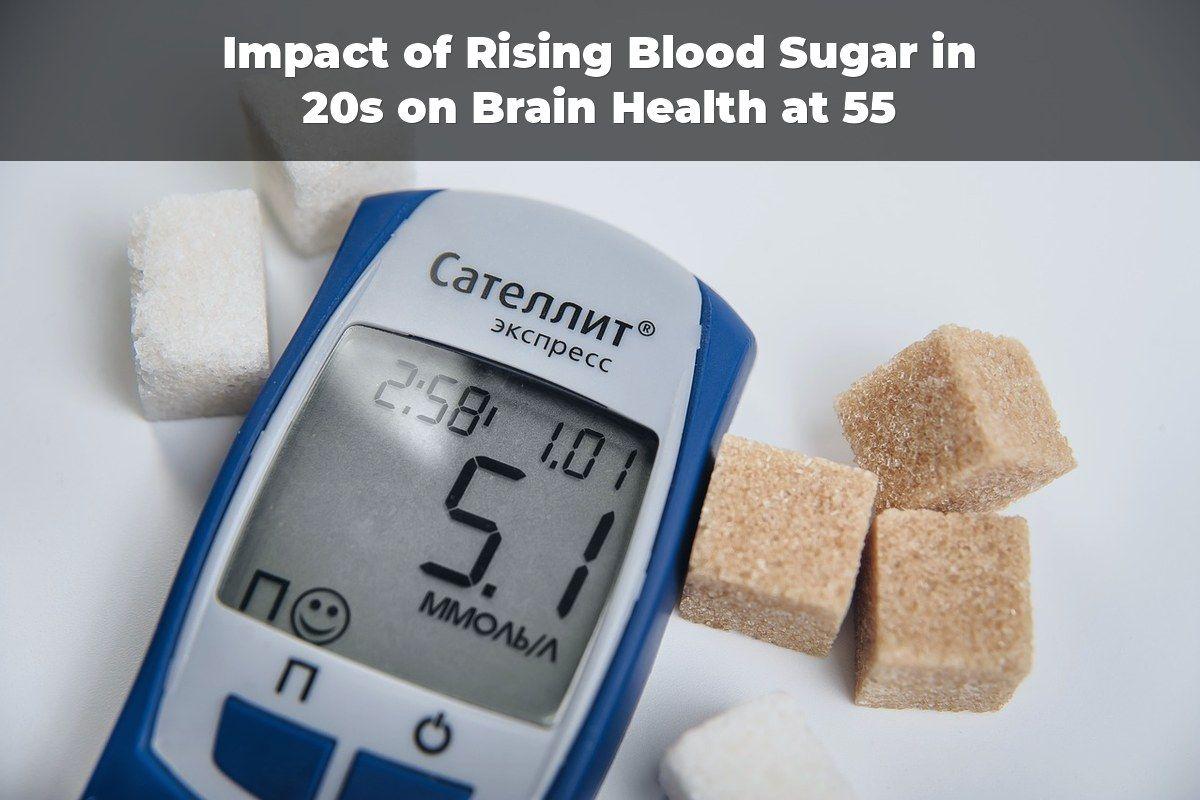
Monitoring blood sugar levels is a fundamental part of managing diabetes. Regular checks allow you to see how your body responds to different foods, activities, and medications. Most people with diabetes use a blood glucose meter or a continuous glucose monitor (CGM) to track their levels. Knowing your numbers helps you make informed decisions about your daily health habits.
A balanced eating plan is crucial for managing blood sugar. Focus on a diet rich in vegetables, whole grains, lean proteins, and healthy fats. These foods can help stabilize blood sugar levels. Carbohydrate counting can be a useful tool for understanding how different foods affect your glucose levels. Working with a dietitian or a certified diabetes care and education specialist can provide personalized guidance.
Physical activity is another important component. Exercise helps the body use insulin more effectively, which can lead to lower blood sugar levels. Aim for at least 150 minutes of moderate aerobic activity each week, such as brisk walking, swimming, or cycling. Strength training exercises are also beneficial. Always consult your healthcare team before starting a new exercise regimen to ensure it's safe and effective for you.
What Are the Treatment Options for Managing High Blood Sugar?
Several treatment options are available for managing high blood sugar. Lifestyle changes, including diet and exercise, are often the first line of defense. However, many people with diabetes require medications to help control their blood sugar levels. These medications can include oral drugs, such as metformin, or injectable medications like insulin.
Your healthcare provider will work with you to determine the best medication based on your individual needs. It's important to take medications as prescribed and discuss any side effects with your doctor. Never adjust your medication regimen without consulting your healthcare team first. They can provide guidance on how to manage side effects and adjust dosages if necessary.
In some cases, insulin therapy may be necessary. Insulin helps your cells absorb glucose from the bloodstream. There are several types of insulin, and your doctor will help determine which one is right for you. Using insulin requires careful monitoring of blood sugar levels to prevent hypoglycemia, or low blood sugar, which can be dangerous. Always follow your healthcare provider's instructions on how to use insulin safely.
What Complications Can Arise from Untreated High Blood Sugar?
Untreated high blood sugar can lead to numerous complications over time. One of the most serious is diabetic ketoacidosis (DKA), a condition that occurs when the body starts breaking down fats for energy, producing ketones. High levels of ketones can lead to a dangerous acid buildup in the blood. Symptoms of DKA include nausea, vomiting, abdominal pain, rapid breathing, and a fruity odor on the breath.
Chronic high blood sugar can also lead to cardiovascular complications. People with diabetes are at increased risk for heart disease and stroke. This is because high blood sugar can damage blood vessels and nerves that control the heart. Over time, this can lead to atherosclerosis, or the hardening of the arteries, increasing the risk of heart attacks and strokes.
Another complication is neuropathy, or nerve damage, which often affects the feet and legs. This can cause pain, tingling, numbness, or weakness. In severe cases, it can lead to infections, ulcers, or even amputations if not managed properly. Maintaining blood sugar levels within target range is essential to prevent these complications and protect your overall health.
When Should You Seek Medical Help for High Blood Sugar?
Knowing when to seek medical help for high blood sugar is crucial. If you experience symptoms like extreme thirst, frequent urination, fatigue, or blurred vision, it's important to contact your healthcare provider. These could be signs that your blood sugar levels are too high and need to be addressed with adjustments to your treatment plan.
Emergency symptoms related to high blood sugar should not be ignored. Seek immediate medical attention if you experience symptoms of diabetic ketoacidosis, such as vomiting, deep rapid breathing, confusion, or a fruity-smelling breath. This condition requires urgent care and can be life-threatening if not treated promptly. Call 911 or go to the nearest emergency room if you suspect DKA.
Additionally, be aware of the symptoms of a heart attack or stroke, which can occur with diabetes-related complications. Symptoms include chest pain, shortness of breath, sudden weakness or numbness in the face, arm, or leg, and difficulty speaking. If you experience these symptoms, call 911 immediately. Quick action can prevent serious damage and improve outcomes.
Source: What rising blood sugar in your 20s could mean for your brain at 55 (News-Medical)
This article is for general information only and is not medical advice. Always talk with your doctor or diabetes care team about your symptoms, blood sugar targets and treatment, and never change your medication or insulin without their advice. If you have signs of very low or very high blood sugar that do not improve, or you feel very unwell, call 911 or go to the nearest emergency room.